The Deep Connection Between Anxiety and Creativity
Why does sitting down to write a poem, paint a canvas, compose a song, or design a new business feel so emotionally terrifying? When you create something new, you step into the void of the unknown. You take a risk that your ideas will be rejected, misunderstood, or ridiculed by the crowd.
In his profound 1975 classic The Courage to Create, existential psychologist Dr. Rollo May explains that creativity and anxiety are two sides of the exact same coin. Anxiety is the dizziness of freedom—the realization that you have the power to shape your own life and bring new forms into reality.
When you run away from anxiety, it turns into depression and apathy. But when you meet anxiety with creative courage, it transforms into art, passion, and deep personal meaning.
What Is Creative Courage?
May distinguishes between different levels of human bravery:
- Physical Courage: The willingness to face bodily harm (e.g., firefighters or soldiers).
- Moral Courage: Standing up against social injustice on behalf of others.
- Creative Courage: The courage to discover new forms, new symbols, and new patterns upon which a healthy society can be built.
Creative courage is the rarest and most difficult form of bravery because it requires living with doubt. A dogmatic person clings to fixed rules because they fear uncertainty. The truly creative person has the courage to say: “I do not have all the answers, but I will commit to exploring the truth anyway.”
The Nature of the Creative Act
May breaks the creative process down into two essential phases:
1. The Encounter
Creativity is not an intellectual puzzle solved in the head. It is an intensive encounter between the human artist and the physical world. When a painter encounters their canvas, or a programmer encounters their code, they become so intensely absorbed that the boundary between creator and subject dissolves.
2. The Breakthrough in Quiet Rest
Have you ever spent five hours struggling with a difficult problem, given up in frustration, and then suddenly had the brilliant solution pop into your head while taking a warm shower or walking in the park? May explains that creative insights require a balance of intense conscious struggle followed by complete relaxation. In the quiet silence of rest, your unconscious mind connects the dots and delivers the breakthrough.
Passion and Form: Why Limitations Create True Freedom
Many amateur creators believe that true art requires complete, unlimited freedom with zero rules or constraints. May argues the exact opposite: Creativity is born from the struggle between human passion and physical limitations (Form).
- A poet creates beauty because they must fit their wild emotions into a strict 14-line sonnet.
- An architect creates a masterpiece because they must design within the physical laws of gravity and a tight budget.
- A musician creates melody because of the mathematical spacing between notes on a piano.
Do not complain about your lack of time, money, or tools. Embrace your limitations as the structural banks of the river that force your creative passion to flow with power.
3 Ways to Cultivate Creative Courage Today
- Commit Despite Doubt: Do not wait until you feel 100% confident to paint, write, or build. Move forward with trembling hands.
- Schedule Solitary Daydreaming: Give your unconscious mind empty space to breathe. Take daily walks without headphones.
- View Failure as Exploration: An artist does not fail; an artist runs experiments and discovers what does not work.
Why True Creativity Is an Act of Rebellion
Rollo May explains that genuine creativity always threatens the comfortable status quo. When an artist or entrepreneur introduces a bold new perspective, the crowd’s initial reaction is often anger, skepticism, or dismissal. Society prefers comfortable conformity.
To innovate, you must be willing to endure the temporary discomfort of being misunderstood. When you share an original idea in a business meeting, you are exercising creative courage. Trust your authentic voice and allow your unique perspective to enrich the world.
How to Overcome the Fear of the Blank Canvas
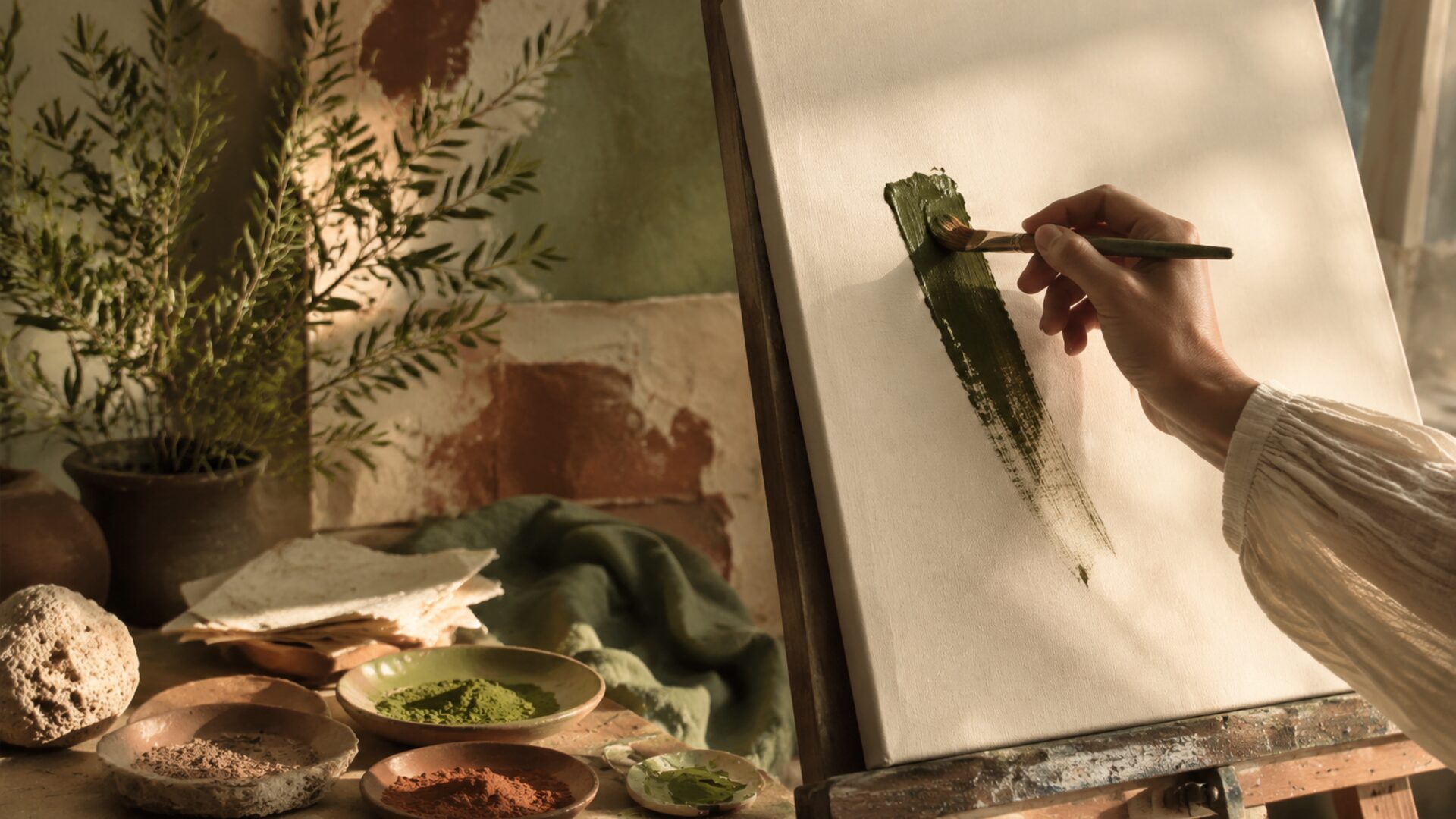
When you sit down to create, the empty white page can feel intimidating and paralyzing. Rollo May suggests starting with a tiny, imperfect sketch. Write one bad paragraph, sketch one crooked line, or play three random notes.
Once you make the first mark on the canvas, the physical resistance breaks, and creative passion rushes in to fill the space.
Finding Meaning in the Face of Imperfection
You do not need to create a world-famous masterpiece to experience the benefits of creativity. Cooking a nourishing soup, tending a small herb garden, or writing a heartfelt letter to a friend are all profound acts of everyday creation that bring beauty to the world.
Creativity as the Ultimate Antidote to Apathy
When people feel powerless in a chaotic world, passive cynicism takes over. Rollo May shows that taking small creative action—writing, designing, building—restores human agency and anchors the soul in purpose.
Frequently Asked Questions
What is the main premise of The Courage to Create?
The main premise is that creative expression is the ultimate expression of human freedom, requiring courage to face existential anxiety and bring new meaning into the world.
Who was Rollo May?
Rollo May was an influential American existential psychologist who explored anxiety, love, will, and creativity in modern human life.
How are anxiety and creativity related?
Anxiety arises from the confrontation with the unknown; channeling that anxiety into constructive action is the essence of the creative act.
Why do creative breakthroughs happen during rest?
Because unconscious mental processing continues beneath the surface, connecting patterns while the conscious mind rests from intense effort.
What does May mean by ‘Passion and Form’?
It means that creativity requires a creative tension between wild human passion and the structured limits or constraints of the medium.
Is creative courage only for professional artists?
No. Scientists, entrepreneurs, teachers, and everyday individuals exercise creative courage whenever they innovate or rethink old problems.
Why is solitude essential for creativity?
Solitude provides the quiet mental space necessary to hear your own authentic inner voice away from the noisy conformity of the crowd.
What is the single best takeaway from the book?
Courage is not the absence of despair; it is the capacity to move forward in spite of despair.
Leave a Reply