Tag: Relationships

  • Simple Rituals That Make Ordinary Days Feel Meaningful

    Simple Rituals That Make Ordinary Days Feel Meaningful

    Simple Rituals That Make Ordinary Days Feel Meaningful

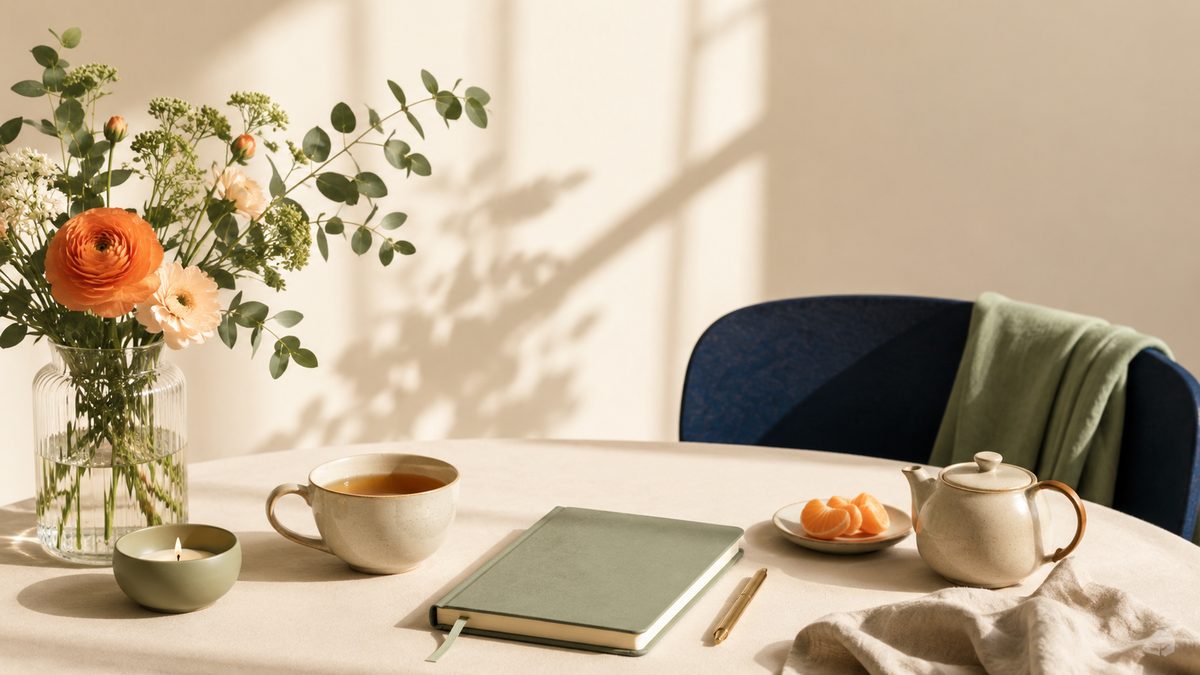
    Daily rituals are small actions you do with intention. They do not need to be expensive, aesthetic, or perfectly consistent. A ritual can be as ordinary as making tea, opening a window, or taking a short walk—if you use that moment to slow down and notice your life.

    The point is not to add another demanding routine. It is to make a few familiar moments feel more grounded, personal, and worth being present for.

    What makes a ritual different from a routine?

    A routine helps life run smoothly. You brush your teeth, answer messages, prepare food, and move through the day without needing to decide everything from scratch.

    A ritual adds attention or meaning to a routine. The action may stay exactly the same, but your relationship to it changes. Making coffee becomes a ritual when you pause for the smell, warmth, and first quiet minutes of the day instead of drinking it while scrolling through notifications.

    Start with what you already do

    The most sustainable rituals are usually attached to something that is already part of your day. Do not begin with a complicated plan. Choose one reliable moment and make it a little more intentional.

    Use a simple cue

    • When the kettle boils, take three slower breaths.
    • When you sit at your desk, write down one priority for the day.
    • When you come home, change clothes and take a minute before starting the next task.
    • When you get into bed, name one thing that felt good or meaningful today.

    A cue makes the ritual easier to remember. It also keeps the practice light enough to fit real life.

    Morning rituals for a steadier start

    A rushed morning does not need a complete makeover. Even five screen-free minutes can create a clearer beginning.

    Have your first drink without your phone

    Make your coffee, tea, or water, then leave your phone in another room for the first few minutes. Notice the temperature, the taste, and the room around you. If your thoughts run toward your to-do list, gently return to the drink in front of you.

    Choose an intention, not a perfect plan

    Before you begin work or errands, ask: “How do I want to show up today?” Your answer might be patient, focused, open, or gentle. This is not a rule for the day; it is a small reminder of what matters to you.

    Small rituals for the middle of the day

    Transitions are a useful place for rituals because they stop one task from spilling into the next. You do not need a long break to create a reset.

    Try a doorway pause

    When you leave one room or finish one type of task, pause at the doorway. Let your shoulders drop, take one full breath, and name what you are moving into next: work, rest, family time, or lunch.

    Take an unplugged five-minute walk

    Step outside without headphones or your phone if that feels practical. Notice light, weather, sounds, buildings, trees, and movement around you. The walk does not need to be productive; it is simply a chance to be somewhere other than a screen or a task list.

    Make lunch a real break when you can

    Eat at a table, by a window, or outside instead of at your desk. Even if it is only ten minutes, a separate eating space can create a clearer pause in the day.

    Evening rituals that help you close the day

    Evenings often feel rushed because unfinished work and household tasks keep calling for attention. A closing ritual does not erase those responsibilities, but it can help you stop carrying them in every direction.

    Do a two-minute workday close

    Before leaving your desk, write down the next one to three tasks for tomorrow. Close tabs, put your notebook away, and say a simple phrase such as, “I’m done for today.” The physical action matters because it marks a transition from work to personal time.

    Create a softer final hour

    Choose one calming activity that does not ask much of you: a shower, a few stretches, quiet music, a book, a tidy room, or preparing clothes for tomorrow. It should feel supportive, not like another self-improvement project.

    Make rituals personal instead of performative

    A ritual only needs to matter to you. It does not have to look impressive, be posted online, or involve special supplies. Some people enjoy candles and journals; others prefer watering plants, cooking, a short prayer, a favourite song, or calling someone they love.

    Notice what helps you feel more present, connected, or rested. Keep that. Leave the rest.

    When a ritual starts feeling like pressure

    It is okay to skip it. Rituals should support your day, not become proof that you are doing life correctly. If a practice feels stale, shorten it, change it, or let it go for a while.

    Consistency can be helpful, but flexibility matters too. A meaningful day can still be messy, busy, or hard.

    Choose one ritual for this week

    Pick one moment you already have: the first drink of the day, a lunchtime walk, turning off your work laptop, or getting ready for bed. Keep the ritual to five minutes or less and repeat it for a week.

    The goal is not a transformed life by Friday. It is one small point in the day where you remember to be there for your own life.

    Frequently Asked Questions

    What are simple daily rituals?

    They are small, repeatable actions done with attention or meaning, such as enjoying a screen-free cup of tea, taking a short walk, or writing one thought before bed.

    Do rituals have to happen at the same time every day?

    No. A regular cue can make them easier to remember, but the ritual can be flexible. Use it when it supports you rather than forcing it into every day.

    How long should a daily ritual take?

    One to five minutes is enough. Short practices are often easier to keep and can still create a useful pause.

    What if I miss a day?

    Nothing is lost. Start again the next time the cue appears. The ritual is there to support you, not to become another obligation.

    Can I create rituals with other people?

    Yes. A weekly meal, an evening walk, a check-in question, or a phone-free coffee can become a shared ritual that helps people feel more connected.


  • How to Set Kind and Clear Boundaries

    How to Set Kind and Clear Boundaries

    How to Set Kind and Clear Boundaries Without Guilt

    Kind and clear boundaries are simple statements about what you can do, what you cannot do, and what you need in order to stay well and respectful in a relationship. They are not punishments, and they are not an attempt to control someone else.

    A good boundary is direct, calm, and specific. It can sound warm, but it does not need a long defence. You are allowed to have limits even when another person would prefer a different answer.

    What a healthy boundary actually means

    A boundary describes your own choices and actions. It does not demand that another person become different overnight.

    For example, “Stop calling me late at night” is a request. “I do not take non-urgent calls after 9 p.m.; I will reply tomorrow” is a boundary. The second version explains what you will do and gives the other person a clear expectation.

    Why setting boundaries can feel so difficult

    Many people learned to keep the peace by being available, agreeable, or easy to accommodate. In that pattern, saying no may bring guilt even when the request is unreasonable or you simply do not have the capacity.

    Guilt is not always a sign that you have done something wrong. Sometimes it is simply the discomfort of doing something new. A respectful boundary can disappoint someone without being unkind.

    Common signs you may need a boundary

    • You agree to plans and then feel resentful or exhausted.
    • You avoid messages because you do not have the energy to respond.
    • You regularly over-explain, apologize, or make excuses for a simple no.
    • You feel responsible for managing another adult’s feelings or problems.
    • You keep having the same conflict because your limit has never been stated clearly.

    The simple formula for a clear boundary

    You do not need a perfect script. Start with a warm acknowledgement, state the limit, and—only if it is useful—offer the next step.

    Acknowledge + limit + next step

    • “Thanks for thinking of me. I can’t take that on this week.”
    • “I want to give this conversation proper attention. Can we talk tomorrow evening?”
    • “I’m not comfortable discussing that. Let’s change the subject.”

    Keep the wording short. The more you explain, the easier it can become for someone to debate your reasons instead of respecting your answer.

    Boundary scripts for everyday situations

    When you need to protect your time

    Use this when a request is reasonable but you do not have room for it.

    • “I appreciate the invitation, but I’m keeping this weekend free.”
    • “I can’t help with the full project. I could review the first draft on Friday if that would be useful.”
    • “My schedule is full, so I need to pass this time.”

    When a friend needs more support than you can give

    You can care about someone and still be unavailable in a particular moment.

    • “I care about you, and I can’t give this the attention it deserves right now. Can we talk at 7?”
    • “I’m not in the right headspace for a heavy conversation today. I can check in tomorrow.”
    • “I’m sorry you’re dealing with this. Do you want me to listen, help you think through options, or just sit with you for a minute?”

    When work keeps spilling into personal time

    • “I’m offline for the evening. I’ll look at this tomorrow morning.”
    • “I can complete this by Thursday. If it needs to happen sooner, which current task should I move?”
    • “I’m available for a quick call between 2 and 3 p.m.; outside that window I’m focused on another deadline.”

    When someone asks intrusive questions

    • “I prefer to keep that private.”
    • “I’m not looking for advice on this, but thank you for caring.”
    • “That topic isn’t something I want to discuss today.”

    How to handle pushback without abandoning your limit

    Someone may be disappointed, confused, or unhappy when you change a pattern they benefited from. Their reaction is information, but it does not automatically mean your boundary is wrong.

    Use calm repetition

    If a person keeps negotiating, do not keep inventing new reasons. Repeat the core limit in nearly the same words.

    “I understand it would be easier if I came today. I’m still not available.”

    “I hear that you disagree. I’m not going to discuss this further.”

    Calm repetition is not rude. It simply prevents a boundary from turning into a debate you never agreed to have.

    Follow through on what you say

    A boundary becomes trustworthy when your actions match your words. If you say you will leave a conversation when it becomes insulting, end the conversation when that line is crossed. If you say you will answer work messages in the morning, do not keep responding at midnight unless there is a true emergency.

    Kindness does not mean endless availability

    Kindness is about your tone and respect. It does not mean saying yes to protect someone from disappointment, ignoring behaviour that harms you, or carrying problems that are not yours to solve.

    You can be warm and firm at the same time. In fact, clear limits often make relationships steadier because people know what to expect from each other.

    Start small and build the skill

    Try one low-stakes boundary this week. Decline an extra commitment, delay a non-urgent reply, ask for a conversation at a better time, or say that you need time to think before answering.

    Afterward, notice what happened. You may feel uncomfortable, but discomfort usually passes. With practice, direct communication becomes less dramatic and more natural.

    When extra support may help

    If a relationship involves intimidation, threats, coercion, or you do not feel safe expressing a limit, focus on safety first. Talk with a trusted person or a qualified local support service before confronting the situation alone.

    Frequently Asked Questions

    How do I set a boundary without sounding rude?

    Use a calm tone, state the limit plainly, and avoid long explanations. “I can’t do that this week” is clear and respectful.

    Why do I feel guilty after setting a boundary?

    Guilt can come from old habits of people-pleasing or fear of disappointing others. Feeling guilty does not automatically mean your boundary was unfair.

    What should I do if someone ignores my boundary?

    Restate it once, explain what you will do if the behaviour continues, and follow through. For example, you might end a call or leave a conversation.

    Are boundaries controlling?

    A boundary focuses on your own participation and choices. Trying to dictate another person’s thoughts or behaviour is different from deciding what you will accept or do.

    Can boundaries improve relationships?

    Yes. Clear limits reduce guesswork and resentment, which can make relationships more honest and sustainable.

  • Creating a Home That Supports How You Want to Feel

    Creating a Home That Supports How You Want to Feel

    Creating a Home That Supports How You Want to Feel

    A supportive home is not about making every room look perfect. It is about making daily life easier and helping your space reflect what you need more of: calm, focus, comfort, connection, or room to breathe.

    Start with how you actually live. A home works best when it supports your real habits instead of asking you to maintain someone else’s idea of an ideal space.

    Decide how you want each room to feel

    Before buying or reorganizing anything, walk through your home and name one feeling you want from each area. You may want your bedroom to feel restful, your kitchen to feel simple and welcoming, or a desk area to feel focused.

    This gives you a practical filter. Keep or add things that support the feeling; reduce things that create friction.

    Make the entry easier

    Your entry is where the outside day meets home. A hook for a coat, a tray for keys, a place for shoes, and a small spot for mail can remove a surprising amount of everyday stress.

    Put these things where you naturally drop them, not where they look best in theory. A system only helps if you will use it.

    Create a place to rest

    Reduce work reminders in rest spaces

    Keep work papers, laptops, and unfinished tasks away from the bed or your main relaxation area when possible. Even one basket or drawer for work items can make it easier to mentally step away.

    Choose comfort you will use

    Comfort might mean a supportive pillow, a lamp beside your favourite chair, a blanket you reach for often, or clear space on a bedside table. It does not need to be expensive to be useful.

    Set up a focused corner

    If you work from home or have a creative hobby, give it a defined place. Keep the tools you need nearby and remove the things that pull your attention elsewhere.

    At the end of the day, take two minutes to close the space: put away loose papers, write tomorrow’s priority, and turn off the light. That small closing action helps separate work from the rest of your home.

    Use light, sound, and texture intentionally

    Light

    Use the light that suits the activity. Brighter task lighting helps at a desk or kitchen counter. Softer lamps can make an evening space feel less harsh than relying on one overhead light.

    Sound

    Notice the sounds that make home feel easier to be in. It may be quiet, a fan, music while cooking, or a few minutes with the windows open. You do not have to fill every room with sound.

    Texture

    Add everyday comfort through materials you genuinely enjoy using: a soft towel, a solid mug, a throw on the couch, or a natural surface that makes a room feel warm to you.

    Clear the friction before you declutter everything

    Do not start by trying to transform the entire house. Begin with the small problems that repeat: keys that disappear, a counter that collects piles, a chair that becomes a clothes rack, or a cupboard that is frustrating to open.

    Create a simple home for the items involved. A basket, tray, hook, or drawer may be enough. Small fixes often make a home feel more supportive faster than a major reorganization.

    Build a gentle reset into your day

    A peaceful home is usually maintained through small resets, not a perfect cleaning routine. Spend five minutes in the evening putting dishes away, clearing one surface, and preparing one thing for tomorrow.

    The goal is not spotless rooms. It is making tomorrow a little easier.

    Frequently Asked Questions

    How can I make my home feel calmer without redecorating?

    Start with one friction point, reduce visual clutter on a frequently used surface, adjust the lighting, and make a comfortable place easy to use.

    What makes a home supportive?

    A supportive home fits your routines, keeps everyday items easy to find, and creates enough comfort and function for the way you want to live.

    How do I organize a home when I am busy?

    Use small systems where items naturally land, then do short resets. Aim for useful rather than perfect.

    Do I need to buy new things to improve my home?

    No. Moving items, clearing a surface, using better storage, and creating a simple rest or work zone can make a real difference.

  • The Art of Being Fully Present with Other People

    The Art of Being Fully Present with Other People

    The Art of Being Fully Present with Other People

    Being fully present means giving someone your attention without rushing to fix, compare, or prepare your reply. It is one of the simplest ways to make a person feel respected and understood.

    Perfect focus is not required. Minds wander. The practice is noticing when you have drifted and returning to the person in front of you.

    What presence looks like in a conversation

    Presence is less about saying the perfect thing and more about showing that you are with the person. You put distractions aside, listen for what matters, and respond to what they actually said.

    It can look like eye contact that feels natural, a relaxed posture, one thoughtful follow-up question, or a short pause before you answer.

    What gets in the way

    Planning your response

    When you are rehearsing a story or opinion while someone speaks, you may hear the words but miss the point. Give yourself permission not to have an instant answer.

    Trying to solve everything

    Advice can be useful, but it is not always what a person needs first. Ask: “Do you want me to listen, help you think it through, or share ideas?”

    Letting your phone stay in the conversation

    Put your phone away or face down and silence notifications when you can. This small choice signals that the conversation is more important than whatever may appear on a screen.

    Three practical ways to listen more closely

    Listen for the feeling as well as the facts

    Notice whether the person sounds relieved, disappointed, nervous, proud, or overwhelmed. You can reflect it back: “That sounds frustrating,” or “You seem really excited about this.”

    Ask one follow-up question

    Instead of changing the subject, stay with their answer for another moment. Ask, “What happened next?” “How did that land for you?” or “What feels most important about it?”

    Use a short pause

    Take a breath after someone finishes speaking. A pause helps you avoid interrupting, and it may give them time to add the part they were not yet ready to say.

    How to respond without making it about you

    Sharing a similar experience can create connection, but timing matters. First, show you understood their story. Then, if your example is genuinely helpful, keep it brief and return the focus to them.

    Try: “I can understand why that would feel heavy. I had something similar once, but your situation sounds different. What would help most right now?”

    When your mind wanders

    Do not pretend you heard something you missed. Be honest and kind: “I’m sorry, I lost that last part for a second. Could you repeat it? I want to understand.”

    That is better than a vague nod, and it reinforces that you care about getting it right.

    Being present does not mean being available all the time

    Presence is about quality of attention, not constant access. You can set a time for a conversation, say you need to return to it later, or keep a difficult topic for when you have more capacity.

    A few attentive minutes can be more meaningful than an hour of distracted half-listening.

    A small practice for today

    In your next conversation, put your phone away, ask one question you genuinely want to know the answer to, and wait two seconds before replying. Notice what changes.

    Frequently Asked Questions

    How do I become more present with people?

    Remove distractions, listen without planning your response, ask a follow-up question, and return your attention when it wanders.

    What is active listening?

    It is listening with attention and curiosity, then showing understanding through a relevant question, a short summary, or a thoughtful response.

    What should I say when someone is upset?

    Start by acknowledging their experience. Ask whether they want listening, help thinking it through, or advice before offering solutions.

    Is it rude to ask someone to repeat themselves?

    No. Asking politely is more respectful than pretending you heard them. It shows you want to understand.

  • How to Make More Room for Meaningful Conversations

    How to Make More Room for Meaningful Conversations

    How to Make More Room for Meaningful Conversations

    Meaningful conversations usually do not need a perfect setting or a deep opening line. They grow when you slow down, show real curiosity, and give the other person enough space to answer honestly.

    Small talk still has a place. It helps people warm up and find common ground. The goal is not to force every chat into something heavy; it is to notice the moments when a more genuine question would help you understand someone better.

    Why conversations often stay on the surface

    Most people are used to quick, automatic exchanges: “How are you?” “Busy, but good.” “Same here.” It is efficient, but it rarely tells you what is actually going on.

    Depth can feel risky. People may worry about being judged, taking up too much space, or making the mood awkward. A calm, interested response can make it easier for someone to share a little more.

    Start by creating a little more space

    A better conversation begins before the first question. If you are distracted, rushing, or already planning your next response, the other person can usually feel it.

    Choose a setting that supports attention

    A walk, a quiet coffee, a car ride, or a few unhurried minutes after dinner can work well. You do not need complete silence, but it helps to reduce distractions and put your phone away.

    Use a gentle transition

    You can move beyond routine chat without making the moment intense. Follow something the person has already mentioned:

    • “You said work has been busy lately. What has been taking most of your energy?”
    • “How did that project turn out for you?”
    • “What has been on your mind outside the usual day-to-day stuff?”

    These questions leave room for the other person to decide how much they want to share.

    Ask questions that invite a real answer

    Questions are invitations, not an interview. Ask one, listen closely, and let the answer guide what comes next. Open questions generally work better than questions that can be answered with a quick yes or no.

    Questions about their life right now

    • What has felt meaningful or energizing lately?
    • What are you looking forward to this month?
    • What has been more difficult than you expected recently?

    Questions about perspective and growth

    • Has anything changed the way you see things lately?
    • What is something you are learning about yourself?
    • What would you like more room for in your life right now?

    Questions that build connection

    • What is something people often misunderstand about you?
    • When do you feel most like yourself?
    • What is a small thing that has made you happy recently?

    Use the questions that sound like you. A rehearsed question can feel less connecting than simple, sincere curiosity.

    Listen in a way that helps people feel heard

    A meaningful conversation is not only about asking better questions. It is about what happens after the answer.

    Stay with their experience

    When someone shares something important, resist the urge to immediately match it with your own story. Your experience may be relevant later, but first let them finish and show that you understood.

    Helpful responses can be simple: “That sounds exhausting,” “I can see why that mattered to you,” or “What happened after that?”

    Ask before giving advice

    Support does not always mean problem-solving. If someone is sharing a hard situation, try asking, “Would you like me to listen, help you think it through, or offer ideas?” This keeps the conversation respectful and useful.

    Let pauses happen

    A short pause is not a failure. It gives both people time to think, and it can make the conversation feel less rushed. You do not need to fill every quiet moment.

    Share a little of yourself too

    Connection needs balance. If you want a more honest conversation, offer a small, appropriate truth about your own experience rather than waiting for the other person to do all the vulnerable work.

    For example, instead of saying “I’m fine,” you might say, “It has been a full week, and I have been trying to slow down a bit.” This is open without being overwhelming, and it gives the other person room to respond.

    Keep boundaries and consent in the conversation

    Not every person, moment, or setting is right for a deep discussion. If someone gives short answers, changes the subject, or seems distracted, let the conversation stay light. Respecting that signal builds more trust than pushing for openness.

    Meaningful conversations are voluntary. They work best when both people feel safe, not when one person feels pressured to disclose more than they want to share.

    A simple practice for this week

    Choose one person you care about and make ten unhurried minutes for them. Put distractions away, ask one question you genuinely want to know the answer to, and follow their response with one thoughtful follow-up question.

    You do not need to perform empathy or find the perfect words. Being present, curious, and kind is usually enough to make a conversation feel more real.

    Frequently Asked Questions

    How do I make a conversation more meaningful without making it awkward?

    Start with a simple follow-up to something the person has already mentioned. Let them decide how deeply they want to answer, and do not rush to fill every pause.

    What are good questions for deeper conversations?

    Ask open questions about what has been meaningful, challenging, energizing, or on their mind lately. Then listen carefully and follow the part of their answer that seems important to them.

    What should I do if someone opens up to me?

    Stay focused on their experience. Reflect back what you heard, ask whether they want listening or advice, and avoid jumping too quickly into solutions.

    Can small talk lead to meaningful conversation?

    Yes. Small talk often creates comfort first. You can deepen it naturally by noticing a detail and asking a thoughtful, low-pressure follow-up question.

    How can I get better at listening?

    Remove distractions, avoid preparing your response while the other person is speaking, ask clarifying questions, and summarize what you heard before sharing your view.