Category: Lifestyle

Intentional approaches to everyday routines, home, digital wellbeing, rest, and meaningful living.

  • How to Create a Sustainable Weekly Meal Prep Routine That Reduces Stress

    How to Create a Sustainable Weekly Meal Prep Routine That Reduces Stress

    The 6:00 PM Weeknight Dinner Panic

    It is 6:15 PM on a Wednesday. You just finished a grueling 9-hour workday. Your brain is exhausted, your stomach is growling, and your kids or partner ask the dreaded question: > “What are we having for dinner tonight?” You open the refrigerator.

    You see half an onion, raw chicken that needs thawing, and a bag of spinach that turned into green liquid. You sigh in defeat, pick up your phone, and spend $55 on greasy takeout that leaves you feeling bloated and guilty. You tried traditional “Meal Prep” before: you spent five exhausting hours on Sunday chopping vegetables and filling twenty identical plastic containers with grilled chicken, broccoli, and brown rice.

    By Wednesday, the food tasted dry, rubbery, and depressing. You threw half of it away. Traditional batch cooking fails because humans crave variety, texture, and fresh flavors.

    The solution is Component Meal Prepping: a streamlined 90-minute Sunday ritual that creates a versatile “building block” refrigerator so you can assemble fresh, gourmet dinners in ten minutes flat.

    What Is Component Prepping?

    Instead of cooking finished meals, you prep four foundational building blocks:

    1. 2 Versatile Proteins: Grilled chicken breasts, seasoned ground turkey, roasted chickpeas, or marinated baked tofu.
    2. 1 Large Batch of Whole Grains: Fluffy quinoa, brown jasmine rice, or farro.
    3. 2 Sheet Pans of Roasted Vegetables: Sweet potatoes, broccoli florets, bell peppers, and zucchini.
    4. 2 Flavor-Packed Sauces: Lemon-tahini dressing, cilantro-lime vinaigrette, or garlic pesto. When you store these components separately in clear glass containers, you can create four completely different meals in under ten minutes throughout the week.

    4 Fast Weeknight Meals from One Prep Session

    • Monday Night (Mediterranean Grain Bowl): Scoop warm quinoa, roasted chicken, cucumber, and roasted peppers into a bowl. Drizzle with lemon-tahini sauce and crumbled feta.
    • Tuesday Night (Quick Skillet Stir-Fry): Toss your pre-roasted broccoli and tofu into a hot skillet with soy-ginger sauce for 3 minutes. Serve over rice.
    • Wednesday Night (Toasted Wrap): Wrap chicken, roasted sweet potatoes, fresh greens, and pesto in a warm tortilla.
    • Thursday Night (Warm Salad): Toss mixed greens, warm farro, roasted zucchini, and vinaigrette.

    Real-World Case Study: The 90-Minute Sunday Triumph

    A busy working mother of two spent $600 a month on weekday takeout because she was too exhausted to cook after her commute. Previous attempts at batch-cooking 20 identical chicken boxes failed miserably. She adopted the Component Meal Prep Blueprint:

    • The Prep Sprint: Every Sunday from 3:00 PM to 4:30 PM, she roasted two sheet pans of sweet potatoes, broccoli, and peppers, cooked a pot of brown rice, grilled chicken breasts, and blended a jar of lemon-tahini dressing.
    • The Assembly: On Monday, she made chicken grain bowls; on Tuesday, sweet potato chicken wraps; on Wednesday, quick peanut stir-fry; on Thursday, fresh garden salads.

    Her family enjoyed fresh, colorful variety every night, dinner cleanup took 5 minutes, and she saved $450 every month.

    3 Core Commitments to Stress-Free Meal Prep

    1. Prep versatile core components rather than rigid finished meals.
    2. Store ingredients in separate airtight glass containers to maintain crisp textures.
    3. Keep two homemade signature sauces in the fridge to transform flavors instantly.

    The Compounding Joy of the Nourished Home

    When your refrigerator is stocked with wholesome, versatile components, weekday cooking becomes an effortless pleasure. Nourish your body, reclaim your evenings, and enjoy the peace of a prepared kitchen.

    The Psychology of the Prepared Weeknight

    When you arrive home knowing dinner is 90% prepped, your evening stress evaporates. You no longer waste mental bandwidth staring into an empty fridge or feeling guilty about takeout. You sit down to nourishing, delicious meals that support your physical health and family peace.

    3 Rules for Kitchen Mastery

    1. Prep versatile building blocks rather than rigid finished casseroles.
    2. Invest in 6 matching glass storage containers with locking lids.
    3. Keep flavorful homemade dressings in the fridge to elevate simple bowls.

    Savoring the Joy of the Nourished Kitchen

    When your meals are prepped with intention, every evening feels like a restful gift. Nourish your body, enjoy delicious food, and live in culinary peace.

    The Timeless Magic of Simple Cooking

    Eating well does not require long hours in the kitchen. Embrace component prep, savor fresh flavors, and enjoy a peaceful home.

    Practical Reflection on Meal Preparation

    This Sunday, dedicate 90 minutes to roasting two sheet pans of colorful vegetables and cooking a pot of whole grains. Experience the relief of opening a fully prepped fridge on Monday night.

    Summary of the Component Meal Prep Blueprint

    • Replace rigid finished casseroles with versatile grains, roasted vegetables, and proteins.
    • Dedicate 90 minutes on Sunday to fill clear glass containers with building blocks.
    • Assemble fresh Mediterranean bowls, wraps, and stir-fries in under 10 minutes nightly.

    Savoring the Joy of Kitchen Mastery

    When your kitchen operates with calm intention, cooking becomes a joyful act of nourishment. Enjoy your delicious meals, save time and money, and thrive in daily peace.

    3 Meal Prep Truths

    1. Prepping versatile components eliminates weekday dinner decision fatigue.
    2. Airtight glass containers keep grains, proteins, and veggies fresh for 5 days.
    3. Simple homemade sauces turn basic ingredients into gourmet weeknight meals.

    Reclaiming Culinary Freedom

    When you prepare simple building blocks, weeknight dinners become an effortless joy. Nourish your body, enjoy good food, and live in culinary peace.

    Savoring the Flow of a Nourished Kitchen

    When your refrigerator is organized with wholesome building blocks, cooking becomes an effortless pleasure. Nourish your body, enjoy good food, and live in culinary peace.

    3 Kitchen Truths

    1. Prepped components eliminate 90% of weeknight dinner decision fatigue.
    2. Glass storage containers preserve food freshness and make options visible.
    3. Simple homemade sauces turn basic staples into gourmet culinary meals.

    Reclaiming Culinary Flow

    Building a Life of Nourished Peace

    Summary of the Stress-Free Kitchen Playbook

    • Prep versatile building blocks rather than rigid finished meals on Sundays.
    • Store components in airtight glass containers to maintain fresh crispness.
    • Assemble quick gourmet bowls, wraps, and stir-fries in under 10 minutes.

    Frequently Asked Questions

    What is component meal prepping?

    A meal prep strategy where you cook separate building blocks (grains, proteins, roasted vegetables, sauces) rather than finished meals, allowing diverse quick dinners.

    How long should a realistic meal prep session take?

    Between 60 and 90 minutes on Sunday afternoon is completely sufficient to prep food for 4 to 5 days.

    How do you keep meal prep food from getting soggy?

    Store ingredients in separate airtight glass containers and never add dressings or sauces until the moment of serving.

    How many days does prepped food stay fresh in the fridge?

    Cooked proteins, grains, and roasted vegetables stay fresh and safe for 4 to 5 days when stored at 38°F (3°C) or below.

    What are the best versatile sauces for meal prep?

    Lemon-tahini, garlic-herb pesto, peanut-lime dressing, chimichurri, and Greek yogurt tzatziki.

    Can you freeze prepped meal components?

    Yes. Cooked grains, bean dishes, and shredded meats freeze exceptionally well for up to 3 months in freezer-safe glass jars.

    How does component meal prep save money?

    By eliminating expensive weekday takeout and preventing grocery produce from rotting in the crisper drawer.

    What is the single best rule to start this Sunday?

    Roast two sheet pans of colorful vegetables and cook one large batch of quinoa or rice.
  • Designing an Inviting Living Room for Rest, Reading, and Connection

    Designing an Inviting Living Room for Rest, Reading, and Connection

    The Tragedy of the TV-Altar Living Room

    Walk into 90% of suburban homes, and you will see the exact same layout: A giant, black 75-inch television mounted directly in the center of the room like a pagan altar. All sofas, recliners, and chairs are bolted in place facing the black screen in a theater formation. There are no cozy lamps, no accessible books, and no way for two human beings to sit face-to-face without craning their necks.

    Environmental psychologists prove a fundamental law of human behavior: Your physical environment silently dictates your daily habits. If your living room is arranged like a cinema, you will watch four hours of television every night. If your living room is arranged around soft lighting, comfortable books, and face-to-face seating, you will read, talk, laugh, and rest.

    4 Principles to Design a Restorative Living Room

    1. Arrange for Conversation (Face-to-Face)

    • Position your sofa and accent chairs facing each other in an intimate U-shape or circular formation around a central coffee table.
    • This encourages natural eye contact, shared board games, and lively dialogue.

    2. Dethrone the Black Screen

    • If you have a TV, mount it on a secondary wall or use a picture-frame television that displays classic artwork when not in use.
    • Never make the television the undisputed focal point of the room.

    3. Banish the ‘Big Overhead Light’

    • Harsh ceiling lights trigger alertness and stress.
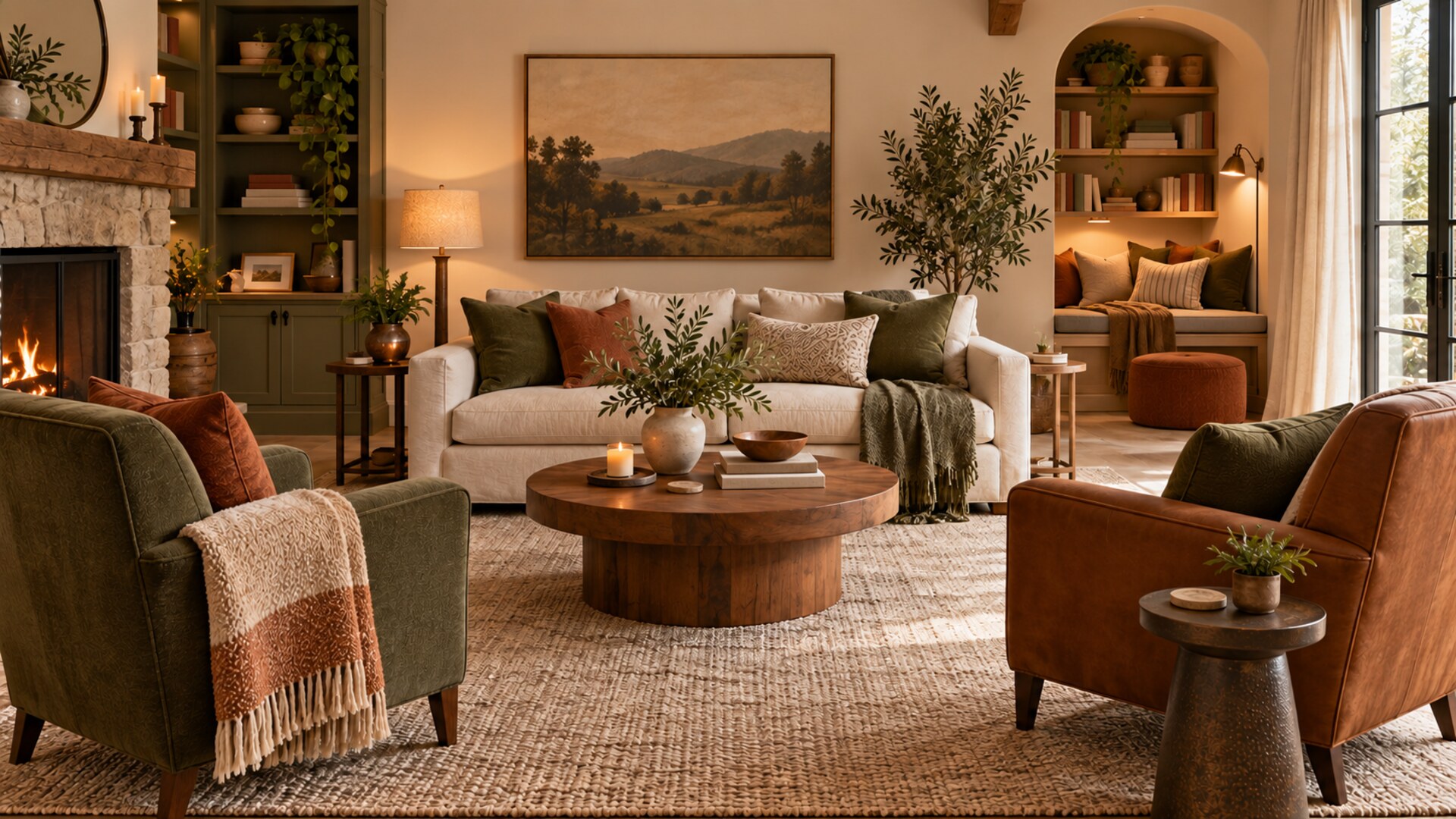
    • Use Layered 2700K Warm Amber Lighting: three floor lamps and table lamps placed at eye level around the perimeter of the room to create cozy pools of soft light.

    4. Create a Dedicated Reading Nook

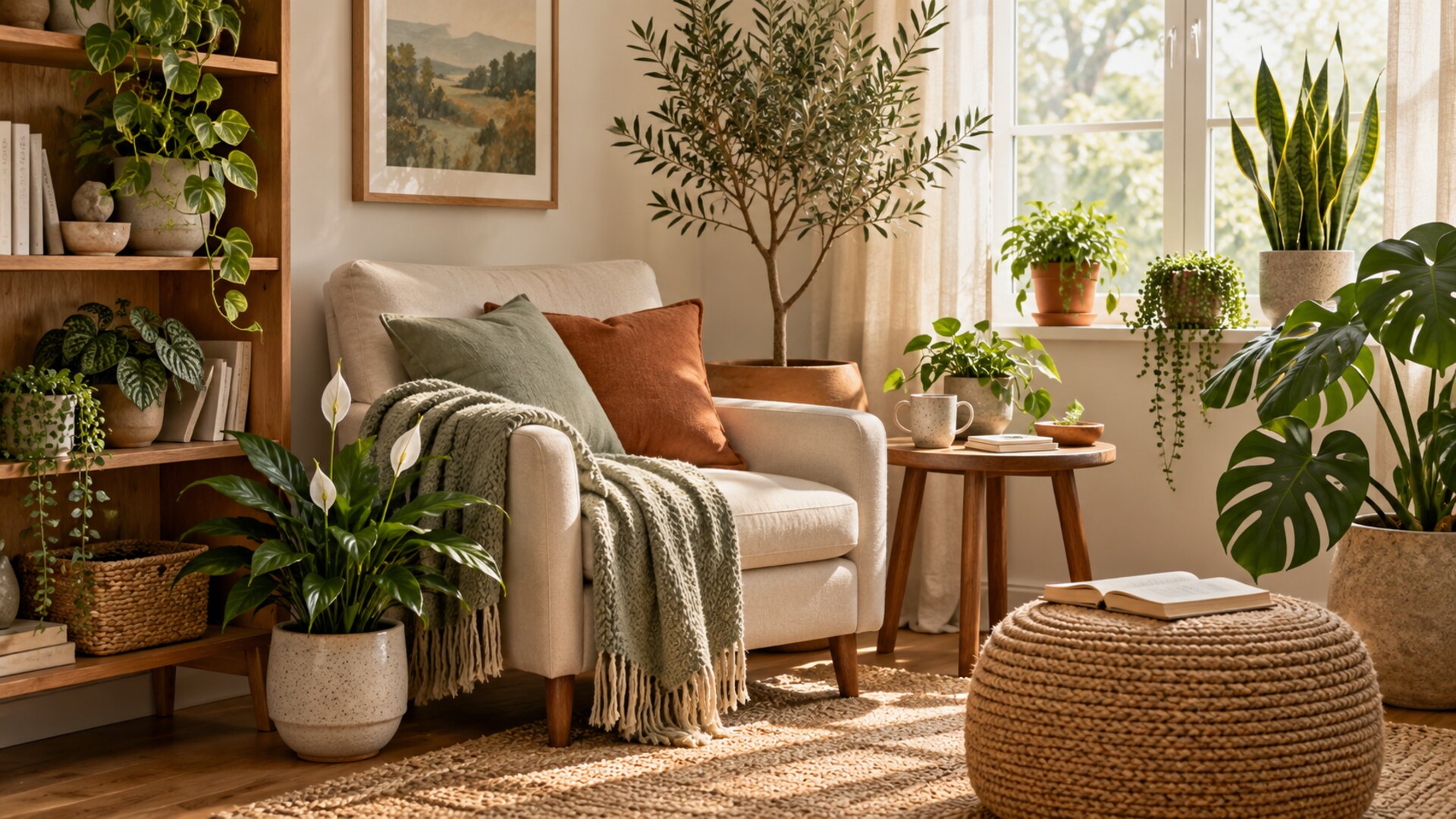
    • Position a deep, comfortable armchair near a window with a dedicated reading lamp, a warm wool throw blanket, and a small side table for tea.

    Real-World Case Study: The Hygge Living Room Transformation

    A young couple’s living room felt like a cold, uninviting cinema: a giant television was the only focal point, with harsh fluorescent ceiling lights and no comfortable reading spots. They redesigned the room for human connection:

    • They rearranged the sofa and two armchairs into an intimate face-to-face circle around a wooden table.
    • They turned off the overhead ceiling fixture and installed three warm 2700K amber floor lamps.
    • They created a cozy reading nook with a wool blanket and stacks of classic literature.

    Their TV watch time dropped by 60%, and they spent their evenings reading, playing chess, and having rich conversations with visiting friends.

    3 Rules for a Connected Living Space

    1. Arrange seating face-to-face in an intimate circle rather than facing a screen.
    2. Use layered warm amber lighting at eye level instead of harsh ceiling bulbs.
    3. Incorporate natural tactile textures (wool, linen, solid wood) to promote calm.

    The Timeless Warmth of the Connected Home

    A living room should welcome the soul and foster human connection. Layer your soft lighting, arrange your seating with love, and enjoy your peaceful haven.

    The Psychology of the Restorative Home

    Your living room should be an embrace for your nervous system at the end of a long day. When you prioritize face-to-face connection and warm amber lighting over television screens, your home becomes an unshakeable haven of peace.

    3 Rules for Sanctuary Living

    1. Arrange seating in conversational face-to-face circles.
    2. Dethrone the television and layer warm 2700K ambient lighting.
    3. Create dedicated cozy reading corners with natural textiles and books.

    Savoring the Warmth of the Cozy Den

    Your home is your sanctuary. Dim the overhead lights, curl up with a good book, and enjoy the deep comfort of your space.

    The Timeless Haven of the Connected Room

    Design your home for love and laughter. Arrange your space with intention, savor your cozy nooks, and enjoy a peaceful sanctuary.

    Practical Reflection on Sanctuary Living

    Turn off your overhead ceiling light tonight. Turn on soft amber lamps, open a classic book, and let your living room hold you in peaceful comfort.

    3 Core Commitments to Sanctuary Design

    Summary of the Restorative Living Room Blueprint

    • Arrange sofas and chairs face-to-face in conversational circles rather than theater rows.
    • Dethrone the television as the central focal point using artwork or side mounting.
    • Layer warm 2700K amber lighting and create dedicated cozy reading sanctuaries.

    Savoring the Warmth of the Cozy Living Room

    Design your home for love, rest, and connection. Turn off the big light, curl up with a book, and enjoy your peaceful haven.

    3 Restorative Design Truths

    1. Face-to-face conversational seating encourages rich human dialogue.
    2. Dethroning the television allows books, games, and rest to take center stage.
    3. Layered warm amber lighting creates an oasis of evening peace.

    Reclaiming Domestic Serenity

    A cozy living room welcomes the heart. Layer soft amber lights, open a great book, and enjoy your peaceful den.

    The Sanctuary of Human Connection

    Create space for dialogue and rest. When your home is built for connection, every evening feels like a warm embrace.

    Reclaiming the Warmth of the Cozy Home

    Summary of the Restorative Living Room Playbook

    The Living Dignity of the Sanctuary Home

    Summary of the Sanctuary Living Room Playbook

    • Arrange seating face-to-face in conversational circles.
    • Dethrone the television and layer warm 2700K ambient lighting.
    • Create dedicated cozy reading corners with natural textiles.

    Frequently Asked Questions

    How does living room furniture layout affect social interaction?

    Furniture arranged face-to-face promotes conversation and eye contact, whereas furniture arranged toward a screen forces passive silence.

    What color temperature of lighting is best for living room relaxation?

    Warm amber lighting between 2200K and 2700K promotes melatonin production and signals psychological safety.

    How can you hide or minimize a large television in a living room?

    Use an art-frame TV, hide the screen inside a cabinet with doors, or place it on a secondary side wall.

    What is ‘Hygge’ interior design?

    The Danish philosophy of creating cozy, warm, and comforting living spaces using candles, natural wood, tactile blankets, and shared tea.

    How does a dedicated reading nook encourage more reading?

    By creating an inviting, designated physical cue that makes sitting down with a book effortless and appealing.

    What materials make a living room feel most welcoming?

    Natural fibers: wool throws, linen cushions, solid wood tables, ceramic mugs, and living green houseplants.

    Can small apartments have conversational seating?

    Yes. Using a small loveseat and two compact accent chairs angled toward each other creates an intimate conversational zone in minimal square footage.

    What is the single best change to make to your living room tonight?

    Turn off the overhead ceiling light and turn on two soft table lamps with warm bulbs.

  • Creating a Mindful Relationship with Money and Material Belongings

    Creating a Mindful Relationship with Money and Material Belongings

    The Dopamine Amazon Cart at 11:00 PM

    It is 11:15 PM on a stressful Tuesday. You had a brutal day of meetings, arguments, and deadlines. You open your laptop, scroll through online shopping sites, and buy a $90 sweater, three kitchen gadgets, and a set of scented candles you don’t need.

    When the packages arrive on Thursday, you feel a 10-second spike of excitement. By Friday, the items are tossed into a closet, the dopamine has vanished, and a heavy cloud of financial guilt takes its place. In modern consumer psychology, shopping has become an emotional anesthetic.

    We spend money we haven’t earned to buy things we don’t need to impress people we don’t like. Transforming your relationship with money is not about living in extreme poverty or counting pennies; it is about using your financial resources as a conscious tool to build freedom, peace, and rich human experiences.

    The ‘Hours of Life’ Principle

    In their personal finance classic Your Money or Your Life, Vicki Robin and Joe Dominguez revealed a life-altering truth: > Money is not cash. Money is something you trade your finite life energy to obtain. If you earn $30 an hour after taxes, that $150 dinner jacket does not cost $150.

    It costs five entire hours of your physical life. When you look at purchases through the lens of your irreplaceable lifespan, impulse buying loses its power.

    4 Mindful Spending Protocols

    1. The 72-Hour Cooling-Off Rule

    Whenever you want to make a non-essential purchase over $50, put it on a 72-hour waiting list:

    • If you still deeply want it after three days, buy it with zero guilt.
    • In 80% of cases, the emotional urge evaporates within 24 hours.

    2. Spend Extravagantly on What You Love, Cut Mercilessly on the

    Rest

    Ramit Sethi’s conscious spending philosophy:

    • If you love books and artisanal coffee, spend freely on them.
    • Cut spending to near-zero on things you don’t care about (fancy cars, designer clothes, duplicate streaming subscriptions).

    3. The ‘Joy-Per-Dollar’ Retrospective

    Review your bank statement once a month and rate your non-essential purchases on a scale of 1 to 5 for lasting joy.

    4. Buy Quality That Lasts

    Shift from disposable fast fashion to timeless, durable goods that last a decade.

    Real-World Case Study: The 72-Hour Rule That Saved $6,000

    A software sales executive was spending $800 a month on late-night impulse purchases—gadgets, designer jackets, and expensive kitchen tools—to cope with quota stress. He instituted the Mindful Money Protocol:

    • The 72-Hour Cart: He moved all impulse online purchases to a “Saved for Later” list for 72 hours.
    • Hours of Life: He calculated his hourly wage ($40/hr) and wrote the required work hours on each item.
    • Joy-Per-Dollar: He reviewed his bank statement monthly, cutting subscriptions he rarely used.

    In the first year, his impulse spending dropped by 85%, he saved $6,200 for a trip to Japan, and his financial anxiety completely vanished.

    3 Rules for Mindful Spending

    1. Calculate the cost of possessions in actual hours of your finite life energy.
    2. Enforce a 72-hour cooling-off period on all non-essential purchases over $50.
    3. Spend generously on things that bring true fulfillment while cutting the rest.

    The Boundless Freedom of Mindful Money

    When you view money as a tool for freedom rather than status, financial anxiety dissolves. Spend on what truly matters, save with intention, and prosper in peace.

    The True Meaning of Financial Freedom

    Financial freedom is not about buying expensive luxury cars; it is the peaceful knowledge that your spending aligns perfectly with your values. When you buy less clutter, you make room for more life, rich travel, deep relationships, and creative work.

    3 Rules for Mindful Finance

    1. Calculate the cost of possessions in finite hours of your life energy.
    2. Practice the 72-hour cooling-off rule on all non-essential purchases.
    3. Spend lavishly on the few things you love while eliminating the rest.

    Savoring the Freedom of Mindful Wealth

    When your spending aligns with your soul, financial peace is yours. Spend with intention, save with joy, and prosper in freedom.

    The Sacred Truth of Intentional Living

    True wealth is having enough time to enjoy the people and passions you love. Spend with wisdom and live in boundless freedom.

    Practical Reflection on Conscious Spending

    Before making your next online purchase, calculate how many hours of your life energy it represents. Buy what brings true joy and release the rest.

    3 Core Commitments to Mindful Finance

    Summary of the Mindful Money Blueprint

    • Calculate purchases in terms of irreplaceable hours of your finite life energy.
    • Apply a strict 72-hour cooling-off period to curb emotional impulse spending.
    • Spend extravagantly on your core joys while ruthlessly cutting meaningless costs.

    Savoring the Boundless Freedom of Mindful Wealth

    When your finances align with your values, life feels rich and full. Spend with intention, save with joy, and live in true freedom.

    3 Mindful Spending Truths

    1. Money represents irreplaceable hours of your finite life energy.
    2. The 72-hour cooling-off rule curbs emotional dopamine impulse buying.
    3. True wealth is having the freedom to spend time on what you love.

    Reclaiming Financial Peace

    When your spending aligns with your soul, financial freedom is yours. Spend with intention, save with joy, and prosper in peace.

    Reclaiming Freedom in Mindful Wealth

    The Sacred Truth of Financial Freedom

    True wealth is having enough time to enjoy the people and passions you love. Spend with wisdom, save with joy, and live in boundless peace.

    Summary of the Conscious Spending Playbook

    • Calculate purchases in terms of irreplaceable hours of your life.
    • Apply a 72-hour cooling-off period on all non-essential buys.
    • Spend generously on core joys while eliminating wasteful clutter.

    Frequently Asked Questions

    What does it mean to have a mindful relationship with money?

    Viewing money as a tool to purchase time, security, and aligned experiences rather than as a measure of social status or an emotional coping mechanism.

    How does emotional spending work in the brain?

    Stress triggers an urge to seek quick dopamine hits, leading the brain to seek relief through online shopping and novelty purchases.

    What is the ‘Hours of Life’ calculation?

    Dividing an item’s price by your hourly take-home wage to determine how many hours of your life you must trade to purchase it.

    How does the 72-hour rule curb impulse buying?

    By allowing emotional dopamine spikes to subside, enabling the rational prefrontal cortex to evaluate whether the purchase is genuinely needed.

    What is ‘Conscious Spending’?

    Intentionally spending lavishly on the few things that bring you deep fulfillment while cutting costs ruthlessly on everything else.

    How does buying less stuff reduce stress?

    By lowering credit card debt, reducing domestic clutter, and decreasing the time required to manage physical possessions.

    Why does hoarding cash cause anxiety?

    Because a scarcity mindset assumes catastrophe is always imminent, preventing individuals from enjoying the fruits of their hard work.

    What is the single best financial habit to practice today?

    Implement the 72-hour waiting rule for all online cart purchases.

  • The Calming Effect of Bringing Nature Indoors: Houseplants and Well-Being

    The Calming Effect of Bringing Nature Indoors: Houseplants and Well-Being

    The Sterile Concrete Box Syndrome

    Look at the environment where you spend 90% of your waking life: Drywall painted sterile gray, synthetic carpet, plastic furniture, and fluorescent LED ceiling bulbs. You stare at glowing digital screens for eight hours, surrounded by hard geometric angles and synthetic materials. For 99.9% of human evolutionary history, our ancestors lived immersed in living green canopies, rich soil, running water, and natural sunlight.

    When we isolate our biology inside lifeless drywall boxes, our nervous systems experience Nature Deficit Disorder—leading to chronic cognitive fatigue, elevated stress hormones, and restless anxiety. In his groundbreaking scientific framework, biologist E.O. Wilson introduced The Biophilia Hypothesis: > Human beings have an innate, genetically hardwired biological affinity for the natural, living world.

    Bringing living plants into your home is not a decorative trend; it is an essential neurological medicine for the modern soul.

    3 Neurological Benefits of Indoor Greenery

    1. Rapid Cortisol and Blood Pressure Reduction

    In a landmark Japanese study published in the Journal of Physiological Anthropology, researchers found that interacting with indoor plants significantly suppressed sympathetic nervous system activity and lowered blood pressure compared to performing computer tasks.

    2. Attention Restoration (Kaplan’s Theory)

    Staring at screens requires “Directed Attention,” which quickly depletes working memory. Looking at the organic fractals and natural greens of plant leaves triggers “Soft Fascination,” allowing your prefrontal cortex to replenish its focus.

    3. The Mindfulness of Plant Care

    Wiping dust from leaves, checking soil moisture, and watching a new leaf unfurl provides a grounding, analog rhythm of patience that pulls you out of frantic digital rushing.

    5 Indestructible Plants for Beginner Wellness

    1. Snake Plant (Sansevieria): Thrives on neglect, tolerates low light, and releases oxygen at night.
    2. Golden Pothos: Rapidly trailing green vines that tolerate irregular watering.
    3. ZZ Plant (Zamioculcas zamiifolia): Glossy, sculptural green leaves that survive in dark rooms.
    4. Peace Lily: Elegant dark leaves that visibly droop when thirsty, communicating clearly.
    5. Monstera Deliciosa: Dramatic tropical leaves with Swiss-cheese perforations that bring lush jungle energy into any room.

    Real-World Case Study: The Basement Office Green Sanctuary

    A graphic designer working in a dark basement home office was suffering from severe afternoon brain fog, eye strain, and mild seasonal depression. He implemented the Biophilic Home Sanctuary Blueprint:

    • He placed a large Snake Plant on his left and a cascading Golden Pothos on a shelf above his monitor.
    • He added a full-spectrum daylight lamp and a desktop ZZ plant.
    • He dedicated 3 minutes every morning to checking soil moisture and misting leaves.

    Within three weeks, his afternoon headaches vanished, his creative focus surged, and his workspace transformed from a cold cave into an inspiring living oasis.

    3 Rules for Biophilic Living

    1. Place 3 to 5 living houseplants in the rooms where you spend the most time.
    2. Choose indestructible low-light plants (Snake Plant, Pothos, ZZ Plant) if you are a beginner.
    3. Treat plant care as a grounding daily mindfulness ritual away from screens.

    The Sacred Sanctuary of Living Greenery

    When you surround yourself with living nature, your home becomes an oasis of peace. Care for your plants, breathe in the fresh air, and let nature heal your mind.

    The Sensory Architecture of Biophilic Design

    Plants do more than clean air; they provide organic fractals that soothe the human nervous system. When you glance away from your computer screen to look at the green leaves of a plant, your ciliary eye muscles relax, resetting your working memory and restoring cognitive stamina.

    3 Rules for Biophilic Wellness

    1. Position plants in your direct field of view while working.
    2. Group plants in small clusters of three to create lush micro-ecosystems.
    3. Use natural terracotta and ceramic planters that ground the senses.

    Savoring the Peace of the Indoor Jungle

    Surround yourself with living green beauty. Care for your plants, breathe deeply, and let nature heal your mind every day.

    The Living Medicine of Nature

    In the presence of green leaves, your spirit restores itself. Embrace the natural world, nurture your plants, and live in serene peace.

    Practical Reflection on Bringing Nature Indoors

    Take a moment to wipe the leaves of a plant in your home today. Notice the deep green fractals and feel your nervous system settle into natural stillness.

    3 Core Commitments to Biophilic Living

    1. Position living houseplants in your direct field of view while working.
    2. Group plants in small clusters of three to create lush micro-ecosystems.
    3. Treat daily plant care as a tactile mindfulness anchor away from screens.

    Summary of the Biophilic Home Blueprint

    • Overcome Nature Deficit Disorder by incorporating living houseplants indoors.
    • Stimulate parasympathetic calming through organic green fractals and daylight.
    • Start with resilient beginner plants like Snake Plants, Pothos, and ZZ Plants.

    Savoring the Living Peace of Nature

    In the presence of living plants, your home breathes peace. Embrace the green world, care for your plants, and let nature nurture your soul.

    3 Biophilic Wellness Truths

    1. Living greenery lowers cortisol and resets depleted attention spans.
    2. Caring for plants provides a grounding tactile rhythm of daily peace.
    3. A few resilient houseplants transform sterile rooms into healing sanctuaries.

    Reclaiming the Wonder of Nature

    In the quiet presence of living greenery, your soul finds rest. Nurture your plants, breathe in the fresh air, and enjoy a peaceful home.

    Reclaiming the Peace of Green Spaces

    The Timeless Magic of Living Nature

    When you bring nature into your home, your soul finds quiet rest. Nurture your green plants, breathe in peace, and let nature heal your mind.

    Summary of the Biophilic Living Playbook

    • Lower cortisol and restore mental focus with living indoor plants.
    • Place resilient greenery in high-traffic work and living spaces.
    • Savor tactile plant care as a grounding daily mindfulness habit.

    Frequently Asked Questions

    How do houseplants reduce stress and anxiety?

    Viewing living greenery stimulates parasympathetic nervous system activity, lowering resting heart rate and cortisol levels.

    What is the Biophilia Hypothesis?

    The evolutionary theory that humans possess an innate biological need to connect with nature and living organisms.

    Do houseplants actually purify indoor air?

    While plants filter small amounts of volatile organic compounds (VOCs), their primary health benefit is psychological and neurological regulation.

    What are the best low-light houseplants for dark apartments?

    Snake plants, ZZ plants, cast-iron plants, and pothos thrive in minimal natural lighting.

    How many plants are needed to feel a psychological benefit?

    Research shows having just 3 to 5 plants in your primary living or work room creates measurable reductions in stress.

    Why does taking care of plants feel therapeutic?

    Because nurturing living organisms provides a mindful, tactile routine that slows down racing thoughts and fosters purpose.

    Are certain houseplants toxic to pets?

    Yes. Peace lilies, pothos, and monsteras can be toxic to cats and dogs if chewed; pet-friendly alternatives include spider plants, Boston ferns, and calatheas.

    What is the single best plant to purchase today?

    A Golden Pothos in a ceramic pot placed directly on your work desk or bedside table.

  • Mindful Gift Giving: Meaningful Alternatives to Clutter-Inducing Presents

    Mindful Gift Giving: Meaningful Alternatives to Clutter-Inducing Presents

    The Holiday Packaging Nightmare

    Look at what happens on Christmas morning or birthdays across the world: Living rooms are buried in mounds of ripped wrapping paper, plastic packaging, and cardboard boxes. Children play with a $100 plastic toy for ten minutes before abandoning it to play with the cardboard box. Adults receive novelty socks, scented lotions they are allergic to, and kitchen gadgets they will never use, smiling awkwardly while thinking: Where on earth am I going to store this?

    Studies in consumer psychology show that material possessions provide a temporary spike in dopamine that fades within 48 hours (Hedonic Adaptation). Worse, physical gifts impose a Storage and Maintenance Tax on the recipient, who often feels guilty about donating an unwanted item. Mindful Gift Giving is the elegant art of giving Presence, Experiences, and Consumables that enrich someone’s life without cluttering their home.

    4 Categories of Clutter-Free Gifts

    1. Experiential Memories (The Gift of Adventure)

    Research by Dr. Thomas Gilovich at Cornell University proves that experiential purchases provide longer-lasting happiness than material goods because they become part of our identity and memory.

    • Annual National Parks Pass or local museum membership.
    • Tickets to a concert, comedy show, or theater production.
    • A cooking, pottery, or sourdough baking workshop.

    2. Artisanal Consumables (The Luxury Savor)

    Consumable gifts provide exquisite pleasure and then gracefully disappear:

    • A bottle of premium single-estate Italian olive oil.
    • Locally roasted specialty coffee beans or artisanal loose-leaf tea.
    • High-end bean-to-bar dark chocolates or aged balsamic vinegar.

    3. The Gift of Time and Service (The Ultimate Relief)

    • A voucher to babysit their kids for a free Saturday date night.
    • A professional house cleaning session or mobile car detailing service.

    4. Digital Learning & Culture

    • An annual subscription to an audiobook platform (Audible), language app (Duolingo), or MasterClass.

    Real-World Case Study: The Christmas Experience Revolution

    A large extended family was exhausted by the annual Christmas gift exchange, spending $2,000 on plastic gadgets, duplicate toys, and useless knick-knacks that ended up in garage sales. They voted to adopt Mindful Gift Giving:

    • For the Kids: Grandparents gifted an annual family zoo membership and swimming lessons.
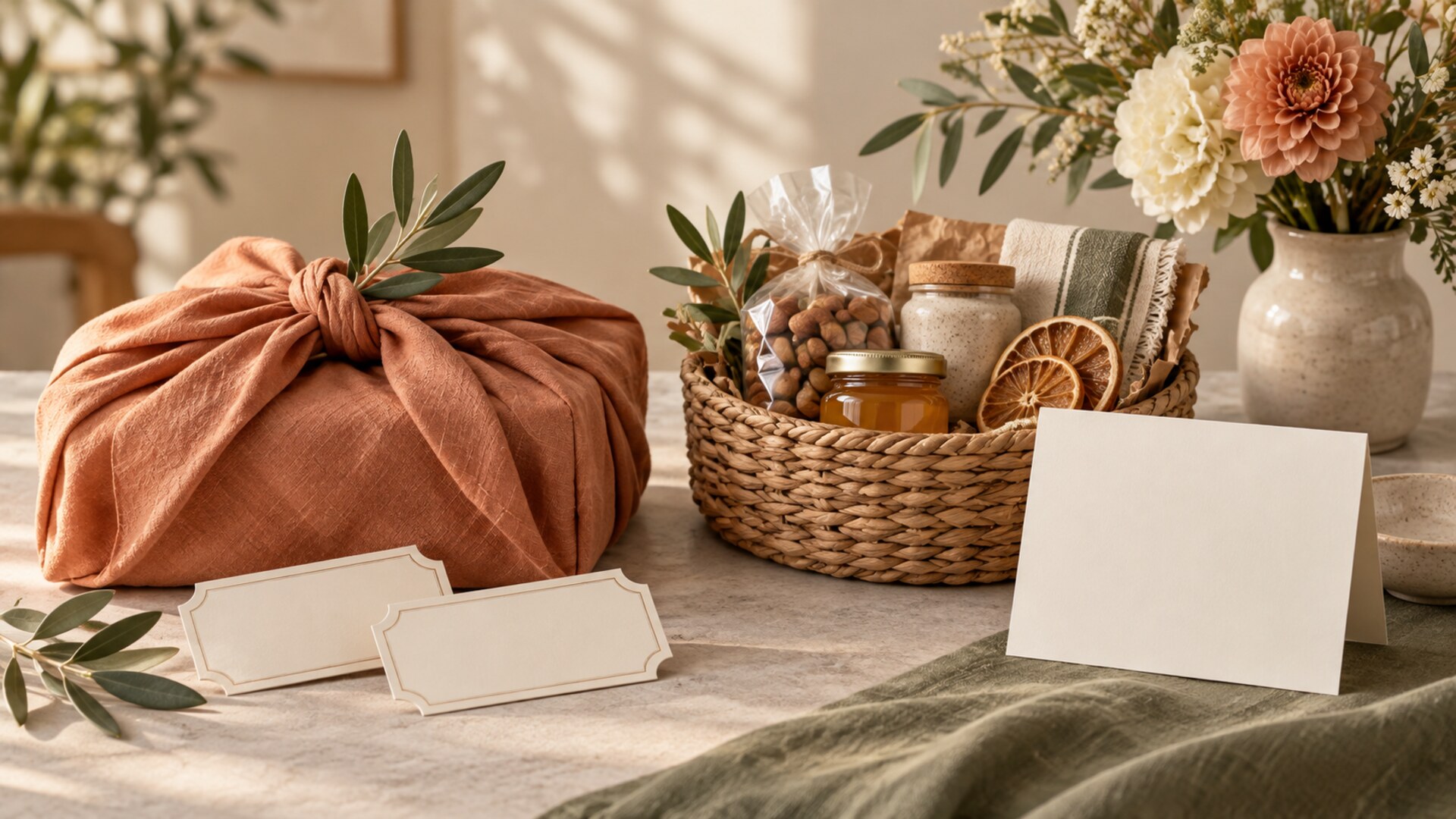
    • For the Adults: Siblings exchanged gourmet local food baskets (artisanal olive oils, coffees, and chocolates).
    • For the Family: They pooled funds to rent a cozy winter cabin for a 2-day sledding and board game getaway.

    The holiday clutter vanished, stress plummeted, and the family created cherished memories that will last for generations.

    3 Rules for Clutter-Free Gifting

    1. Prioritize shared experiential memories over disposable material possessions.
    2. Choose high-end artisanal consumables that provide exquisite pleasure and disappear.
    3. Gift practical time and service vouchers (babysitting, car detailing) to relieve daily stress.

    The Boundless Joy of Mindful Giving

    The greatest gifts leave footprints on the heart, not clutter on the floor. Give memories, share experiences, and celebrate the rich beauty of human connection.

    The Enduring Magic of Experiential Gifts

    Possessions clutter shelves, but memories live in the heart forever. Give experiences, share delicious meals, and celebrate human connection with mindful generosity.

    3 Rules for Clutter-Free Giving

    1. Give experiential tickets and memberships that build lasting memories.
    2. Choose high-end artisanal consumables that provide joy and disappear.
    3. Offer practical service vouchers (babysitting, cleaning) that relieve daily stress.

    Savoring the Richness of Mindful Giving

    The best gifts enrich the soul. Share memories, give with love, and celebrate the extraordinary beauty of human connection.

    The Timeless Joy of Shared Memories

    True wealth is found in shared laughter and connection. Give memories, share experiences, and cherish the people you love.

    Practical Reflection on Mindful Giving

    Before buying gifts for your next celebration, consider giving an experience or a delicious consumable treat. Give memories that touch the heart.

    3 Core Commitments to Mindful Gifting

    Summary of the Mindful Gift Giving Blueprint

    • Escape the consumer packaging trap by focusing on experiential and consumable gifts.
    • Give tickets, memberships, and workshops that build lifelong cherished memories.
    • Offer practical service vouchers (babysitting, house cleaning) to relieve domestic burdens.

    The Timeless Magic of Meaningful Giving

    The best gifts leave memories in the heart. Share experiences, give with love, and celebrate the extraordinary beauty of human connection.

    3 Mindful Gifting Truths

    1. Shared experiences create lasting happiness without domestic clutter.
    2. Gourmet consumables provide delight and disappear gracefully.
    3. Practical service gifts offer priceless relief to busy loved ones.

    Reclaiming the Magic of Thoughtful Giving

    Give memories, share love, and celebrate the beautiful connections that make life rich.

    The Endless Joy of Experiential Love

    The best things in life are not things. Share adventures, build memories, and celebrate the people who matter most.

    Summary of the Mindful Gifting Playbook

    The Timeless Joy of Mindful Connection

    The greatest gifts are the memories we share. Give experiences, share love, and celebrate the rich beauty of human companionship.

    Summary of the Meaningful Gifting Playbook

    Frequently Asked Questions

    Why are experiential gifts better than material gifts?

    Because experiences foster human connection, create lasting memories, and do not trigger hedonic adaptation or physical clutter.

    What are ‘Consumable Gifts’?

    Items that can be eaten, drank, or used up completely (like gourmet food, coffee, candles, or bath salts) leaving no permanent physical clutter.

    How do I ask family members for clutter-free gifts for my children politely?

    Communicate with warmth: ‘Our kids have plenty of toys, so this year we are focusing on experiences like zoo passes or swimming lessons!’

    What are good last-minute clutter-free gifts?

    Digital gift cards for local restaurants, audiobooks, movie theater passes, and national park passes.

    How can you give a service gift without feeling cheap?

    Package it beautifully with a handwritten card and a small consumable treat (e.g., a jar of homemade jam with a ‘Free Babysitting’ voucher).

    What are the best clutter-free gifts for elderly parents who have everything?

    Digitizing old family photo albums, booking shared family lunches, or gifting monthly flower subscriptions.

    Is it tacky to give gift cards?

    Not if they are tailored to a specific passion (like their favorite independent bookstore or favorite local coffee shop).

    What is the single best gift idea for a couple this year?

    A gift certificate for a nice local dinner paired with a free night of babysitting.

  • The Difference Between Solitude and Loneliness—and How to Embrace Both

    The Difference Between Solitude and Loneliness—and How to Embrace Both

    The Modern Confusion of Being Alone

    You are sitting alone in your living room on a Friday night. The house is completely silent. In that silence, you feel an aching, hollow emptiness in your chest.

    You open your phone, scroll past parties on Instagram, and think: > “Nobody cares about me. I am completely alone in the world.” Now imagine another person in the exact same quiet room on the exact same Friday night: They brew a pot of chamomile tea, light a candle, wrap themselves in a warm wool blanket, and open a classic novel with a deep, peaceful sigh of gratitude: > “This quiet room is heaven. I finally have time to breathe and be with myself.” Both people are physically alone.

    One is drowning in Loneliness; the other is savoring Solitude. Understanding the profound difference between these two states is the master key to emotional freedom.

    Loneliness as a Biological Alarm

    Just as hunger is your body’s biological alarm telling you that your cells need calories, loneliness is an evolutionary alarm telling your brain that you need social connection. Loneliness activates the exact same neural pathways in the brain as physical pain. It is not a moral failure; it is an instinctual signal to seek your tribe.

    Solitude as a Spiritual Feast

    Solitude, by contrast, is an intentional choice. It is the presence of yourself rather than the absence of others. In solitude, you do not feel empty; you feel complete.

    You step off the treadmill of social performance and allow your nervous system to rest in authentic stillness.

    4 Steps to Shift from Loneliness to Solitude

    1. Stop Numbing with Screens

    Scrolling social media while feeling lonely feeds the brain’s comparison loops and makes isolation feel worse. Put the phone in a drawer.

    2. Engage in Sensory Creation

    Cook a slow recipe, sketch in a notebook, paint, or play a musical instrument. Creating something physical anchors your brain in joyful focus.

    3. Design a Sacred Evening Ritual

    Treat your time alone as a luxury date with yourself: take a hot bath, put on relaxing vinyl records, and make your favorite herbal tea.

    4. Answer the Biological Call When Needed

    If loneliness persists, honor the biological signal: reach out to a dear friend, volunteer at a local charity, or visit a neighborhood cafe.

    Real-World Case Study: Transforming Lonely Nights into Sacred Solitude

    A 30-year-old accountant living alone used to dread Friday nights, feeling intense loneliness, doomscrolling social media, and feeling unloved. He ran a 4-Week Solitude Transformation:

    • At 6:00 PM on Fridays, he powered off his smartphone and placed it in a hallway drawer.
    • He cooked a fresh pasta meal from scratch with jazz music playing.
    • He spent two hours reading philosophy and writing in his journal by candlelight.

    Within three weeks, Friday nights transformed from an agonizing void into his favorite night of the week—a sacred sanctuary of deep peace, creativity, and self-restoration.

    3 Rules for Solitude Mastery

    1. Distinguish between the pain of loneliness and the glory of intentional solitude.
    2. Disconnect completely from screens to eliminate social comparison loops.
    3. Treat time alone as a luxurious, restorative investment in your personal growth.

    The Sacred Sanctuary of Your Own Heart

    To be at peace with your own mind is the highest freedom. Step into restorative solitude, listen to your inner wisdom, and discover the extraordinary beauty within.

    The Sacred Architecture of Solitude

    In intentional solitude, you discover that you are never truly empty. You tap into the deep wellspring of your own intuition, creativity, and inner peace.

    Savoring the Deep Stillness of the Soul

    In solitude, you find your true strength. Embrace the quiet moments, listen to your heart, and live in serene peace.

    Practical Reflection on Solitude

    Schedule a 30-minute block of intentional quiet this weekend. Turn off your devices, listen to your inner thoughts, and savor the restorative peace of your own company.

    3 Core Commitments to Solitude

    Summary of the Solitude Mastery Blueprint

    • Differentiate between painful social loneliness and the rich restoration of solitude.
    • Activate the default mode network and fuel creative synthesis through silent stillness.
    • Design sacred screen-free solo rituals to cultivate deep self-love and confidence.

    The Sacred Sanctuary of the Quiet Mind

    In solitude, your soul finds rest. Enjoy your own company, listen to your inner heart, and thrive in boundless stillness and peace.

    3 Solitude Mastery Truths

    1. Solitude is the rich presence of yourself; loneliness is painful absence.
    2. Silent reflection activates the creative default mode network.
    3. Loving your own company is the foundation of emotional resilience.

    Reclaiming the Wonder of Stillness

    In quiet solitude, your soul finds wings. Savor your time alone and live with peace.

    The Healing Light of Solitude

    In the quiet of your own space, your spirit renews itself. Breathe in stillness, rest deeply, and discover peace.

    The Healing Light of Sacred Stillness

    In solitude, your spirit finds renewal. Step into the quiet, listen to your inner wisdom, and live in deep, boundless peace.

    Summary of the Solitude Transformation Playbook

    Frequently Asked Questions

    What is the core difference between solitude and loneliness?

    Loneliness is marked by a sense of isolation and emotional distress; solitude is a peaceful, intentional state of self-communion and reflection.

    Why does loneliness feel physically painful?

    Because human survival historically depended on belonging to a tribe; the brain processes isolation as an urgent physical threat using pain receptors.

    Can someone feel lonely in a crowded room or marriage?

    Yes. Loneliness is about the quality of emotional connection, not physical proximity; feeling misunderstood in a relationship causes severe loneliness.

    How does intentional solitude improve mental clarity?

    By removing social masking and external noise, allowing the prefrontal cortex to process emotions and activate the creative default mode network.

    What are the best activities to practice solitude?

    Journaling, walking in nature without headphones, reading literature, gardening, and meditation.

    How can you tell when alone time has become unhealthy isolation?

    When solitude turns into rumination, avoidance of necessary responsibilities, and feelings of despair rather than restoration.

    How does learning to love solitude make you a better partner?

    It frees you from needing a partner to fix your boredom, allowing you to love from wholeness rather than neediness.

    What is the easiest way to transform an empty evening into solitude?

    Light a candle, turn off your phone, and spend 30 minutes reading an inspiring physical book.

  • Simple Home Organization Rules That Actually Stick Long-Term

    Simple Home Organization Rules That Actually Stick Long-Term

    The Saturday Cleaning / Tuesday Chaos Cycle

    Think about the exhausting domestic cycle you live every single week: You spend four hours on Saturday cleaning your house. You scrub counters, fold blankets, organize closets, and line up shoes. Your home looks pristine and peaceful.

    By Tuesday afternoon, the chaos returns:

    • Mail piles up on the kitchen island.
    • Coats and backpacks are dumped on chairs.
    • Scissors and tape are missing from drawers.
    • The entryway looks like a hurricane hit it.

    You tell yourself: “I am just a lazy, disorganized person.” The truth is liberating: You are not lazy. Your organization systems are simply designed with too much friction. If putting an item away requires opening a closet, unstacking two plastic bins, taking off a lid, and placing it inside, you will leave that item on the counter every single time.

    A great organization system is designed for the lowest-energy version of yourself at 8:00 PM on a Friday.

    5 Sustainable Rules for Lasting Home Order

    1. The ‘One-Touch’ Rule

    Whenever you pick up an object, touch it only once until it reaches its final resting place:

    • When you take off your coat, hang it in the closet immediately (do not drape it over a chair first).
    • When you open the mail, recycle the junk immediately (do not leave it on the counter to deal with later).

    2. Low-Friction Open Bins

    Ditch complicated organizing systems with tight lids and labels:

    • Use open canvas bins or wicker baskets in high-traffic areas (entryways, living rooms, kids’ playrooms).
    • Tossing shoes, toys, or dog leashes into an open bin takes two seconds and requires zero cognitive effort.

    3. The Point-of-Use Storage Rule

    Store tools at the exact physical location where they are used:

    • Keep scissors and pens in the kitchen where packages are opened, not in a distant basement office.
    • Keep cleaning spray in every bathroom, not just under the kitchen sink.

    4. The 80% Capacity Ceiling

    Never pack a drawer, closet, or shelf past 80% full:

    • When a drawer is 100% full, taking something out creates an avalanche, discouraging you from putting it back.
    • Leave breathing room on every shelf.

    5. The 10-Minute Family Nightly Reset

    Set a timer for 10 minutes at 8:30 PM:

    • Put on upbeat music and have everyone in the house return 5 items to their designated homes.
    • Waking up to clear flat surfaces transforms morning energy.

    Real-World Case Study: The 10-Minute Home Transformation

    A busy family of four with two golden retrievers lived in constant domestic chaos. Saturday cleaning marathons left the parents exhausted, only for the house to be ruined by Monday night. They instituted the Low-Friction Organization Blueprint:

    • Open Bins: They placed three open woven baskets in the entryway for shoes, leashes, and backpacks.
    • Point of Use: They put scissors and tape in three separate rooms where packages and crafts happened.
    • Nightly Reset: Every evening at 8:15 PM, they put on dance music and did a 10-minute family pickup sprint.

    The house stayed consistently tidy with zero Saturday scrubbing marathons, and household tension melted away.

    3 Rules for Lasting Home Order

    1. Design systems for the lowest-energy version of yourself at the end of a hard day.
    2. Keep all flat surfaces clear overnight to prevent morning cognitive overload.
    3. Touch items only once when putting them away.

    The Endless Peace of the Frictionless Home

    When your storage systems are simple and effortless, order becomes your natural baseline. Eliminate friction, savor your clear spaces, and enjoy the calm of a tidy home.

    The Psychology of Visual Calm at Home

    When your physical environment is organized with low-friction systems, your resting cortisol levels drop. Your brain is no longer bombarded by visual demands to tidy, wash, or clean. You create a soothing environment that restores your mental focus and nurtures peace.

    3 Rules for Lasting Domestic Peace

    1. Use open bins and baskets in high-traffic family zones.
    2. Store everyday tools at their physical point of use.
    3. Keep drawers and shelves at 80% capacity to prevent clutter avalanches.

    Savoring the Order of a Peaceful Home

    When your home is a place of order and ease, your soul breathes freely. Eliminate clutter, maintain your simple systems, and enjoy the peace of your space.

    Practical Reflection on Home Order

    Take 10 minutes tonight to clear one flat surface in your home. Experience the immediate lightness and mental clarity of an uncluttered space.

    3 Core Commitments to Domestic Peace

    Summary of the Sustainable Home Order Blueprint

    • Eliminate friction by designing organization systems for your lowest-energy state.
    • Use low-friction open bins and store everyday tools at their physical point of use.
    • Implement the One-Touch Rule and a 10-minute nightly reset to keep surfaces clear.

    The Sacred Calm of the Frictionless Home

    Order creates freedom. Maintain your simple low-friction systems, enjoy your clear spaces, and let your home be a haven of restorative peace.

    Savoring the Calm of the Simple Den

    When your home is free of clutter and friction, your soul finds rest. Maintain your simple systems, enjoy your clear spaces, and live in lasting peace.

    3 Home Organization Truths

    1. Organization systems must be designed for your lowest-energy moments.
    2. Low-friction open bins eliminate 90% of daily domestic clutter.
    3. A 10-minute nightly family reset transforms morning peace and focus.

    Reclaiming Domestic Serenity

    Clear flat surfaces create clear minds. Enjoy your organized sanctuary and thrive in daily peace.

    The Timeless Joy of the Simple Home

    When you let go of complicated systems, tidiness becomes effortless. Enjoy your clean, peaceful sanctuary every single day.

    Savoring the Flow of a Tidy Sanctuary

    When your home operates with effortless order, every day begins in calm. Protect your peaceful space, live with intention, and thrive.

    Summary of the Home Organization Playbook

    Frequently Asked Questions

    Why do most home organization systems fail within weeks?

    Because they require too many high-effort steps (lids, latches, precise folding), creating friction that causes clutter to accumulate.

    What is the ‘One-Touch Rule’?

    The habit of touching an object only once—putting it directly into its permanent home rather than setting it down temporarily on a surface.

    How does open-bin storage keep rooms tidy?

    Open bins allow family members to toss items into designated containers instantly without removing lids or navigating complex sorting.

    What is the ‘Point-of-Use’ storage principle?

    Storing everyday items at the exact physical spot where they are regularly used rather than in centralized storage areas.

    Why should drawers and shelves be kept at 80% capacity?

    Because empty breathing room allows items to be removed and replaced effortlessly without jamming or mess.

    How can I get messy kids or partners to keep things organized?

    Make storage systems effortless (open bins, hooks instead of hangers) and participate in a fun 10-minute nightly cleanup together.

    What is the best way to handle daily paper mail clutter?

    Stand directly over the recycling bin when opening mail, recycling 90% immediately and filing the rest in a single action folder.

    What is the single best rule to implement tonight?

    Clear your primary kitchen counter before bed using the One-Touch Rule.

  • The Value of Spending Time Alone: Why Solitude Is Essential for Growth

    The Value of Spending Time Alone: Why Solitude Is Essential for Growth

    The Modern Terror of Empty Space

    Notice what you do the moment you find yourself alone in a room: You sit in your car at a red light, and within two seconds, your hand reaches for your phone to check Instagram. You walk to the kitchen to boil water, and you immediately turn on a podcast so you don’t have to experience thirty seconds of silence. You have a free Saturday evening, and panic sets in: “I need to make plans, or I will feel like a loser.” In a famous study conducted by the University of Virginia, researchers asked participants to sit alone in an unadorned room for 15 minutes with nothing to do.

    They were given only one option: they could press a button to give themselves a painful electric shock. The result? 67% of men and 25% of women chose to painfully shock themselves rather than sit alone quietly with their own thoughts. We are terrified of being alone because when external noise stops, our internal insecurities, griefs, and unresolved questions bubble to the surface.

    Yet without Solitude, you can never truly know who you are.

    Loneliness vs. Solitude

    Philosopher Paul Tillich captured the distinction perfectly: > “Language has created the word ‘loneliness’ to express the pain of being alone. And it has created the word ‘solitude’ to express the glory of being alone.”

    • Loneliness: A state of painful emotional isolation where you feel unseen and disconnected from others.
    • Solitude: An intentional, rich, and restorative state where you enjoy your own company, reflect on your values, and recharge your soul.

    4 Profound Gifts of Solitude

    1. Cognitive Defrosting

    When you are around other people, your brain is constantly running social calculations to adjust your tone, posture, and expressions. Solitude allows your social brain to “defrost” and rest.

    2. Creative Breakthroughs

    Neuroscience shows that the brain’s Default Mode Network (which connects disparate ideas into creative insights) only activates during periods of daydreaming, silence, and solitude.

    3. Discovering Your Authentic Self

    When you are alone, you discover what you actually like: what books you enjoy reading, what foods you like eating, and what values you truly hold when nobody is watching or judging.

    4. Better Relationships with Others

    You cannot love another person maturely if you rely on them to rescue you from your own boredom or emptiness. Loving your own company allows you to choose partners out of genuine love rather than desperate fear of being alone.

    Real-World Case Study: The Solo Saturday That Healed Burnout

    A corporate marketing executive felt chronically exhausted, irritable, and disconnected from herself after years of back-to-back meetings, social dinners, and relationship demands. She scheduled a weekly 4-Hour ‘Solo Date’:

    • Every Saturday morning from 8:00 AM to 12:00 PM, she left her phone at home.
    • She visited an art museum alone, took a slow nature walk through a botanical garden, and ate a warm bowl of soup at a quiet cafe while writing in her journal.

    In solitude, her creative inspiration reignited, her anxiety dissolved, and she returned to her family and work with vibrant energy, joy, and deep self-love.

    3 Rules for Cultivating Restorative Solitude

    1. Distinguish between painful loneliness and the rich, healing presence of solitude.
    2. Take yourself on regular ‘Solo Dates’ to discover your authentic preferences.
    3. Spend daily time in silence without screens or headphones to let your mind integrate.

    The Sacred Sanctuary of Your Own Company

    To be comfortable with yourself is the greatest freedom in life. Embrace restorative solitude, listen to your inner wisdom, and discover the boundless peace within.

    The Eternal Sanctuary of Solitude

    When you learn to love your own company, you become truly unshakeable. You no longer look to external crowds or glowing screens to rescue you from yourself. Step into the healing silence of solitude, discover your authentic voice, and walk forward in deep self-love and peace.

    3 Rules for Embracing Solitude

    1. Take regular Solo Dates to explore museums, nature, and quiet cafes.
    2. Spend 20 minutes daily in silence without headphones, podcasts, or screens.
    3. Reframe time alone as a sacred investment in self-discovery and growth.

    Savoring the Boundless Joy of Solitude

    To be comfortable with yourself is the greatest freedom in life. Embrace restorative solitude, listen to your inner heart, and live in peace.

    Practical Reflection on Solitude

    Take yourself on a 30-minute Solo Date this weekend. Walk through a garden, read a book in a quiet cafe, and enjoy the rich company of your own soul.

    3 Core Commitments to Embracing Solitude

    Summary of the Solitude for Growth Blueprint

    • Distinguish between the painful isolation of loneliness and the richness of solitude.
    • Activate the brain’s default mode network through daydreaming and silent walks.
    • Cultivate deep self-discovery and independence through regular Solo Dates.

    The Sacred Gift of Being Whole

    When you love your own company, your heart becomes a sanctuary of peace. Embrace solitude, discover your authentic voice, and thrive in joy.

    Savoring the Boundless Sanctuary of Solitude

    When you love your own company, your heart becomes a sanctuary of peace. Embrace solitude, listen to your authentic voice, and discover the extraordinary joy within.

    3 Solitude Truths

    1. Solitude is the rich, restorative presence of yourself; loneliness is absence.
    2. Silence activates the default mode network, fueling creativity and synthesis.
    3. Loving your own company allows you to love others from a place of wholeness.

    Reclaiming the Magic of Quiet Reflection

    In solitude, your soul finds rest. Enjoy your own company, listen to your heart, and thrive in boundless peace.

    The Healing Silence of the Soul

    Solitude is where your spirit restores itself. Step into stillness, breathe in peace, and discover the joy of your own presence.

    The Eternal Sanctuary of Your Own Soul

    To be comfortable with yourself is the greatest freedom in life. Embrace solitude, listen to your heart, and live in boundless peace.

    Summary of the Solitude Mastery Playbook

    Frequently Asked Questions

    What is the difference between loneliness and solitude?

    Loneliness is the painful emotional distress of feeling isolated; solitude is the intentional, peaceful enjoyment of one’s own company.

    Why are people afraid of being alone?

    Because silence allows unresolved anxieties, existential questions, and uncomfortable emotions to surface without distraction.

    How does solitude improve creativity?

    Solitude activates the brain’s default mode network, enabling subconscious problem-solving, creative synthesis, and deep reflection.

    What is a ‘Solo Date’?

    Taking yourself out to an activity (like a museum, restaurant, or movie) alone to practice enjoying your own company.

    How much alone time do adults need daily?

    Most psychologists recommend at least 20 to 60 minutes of daily quiet alone time for emotional self-regulation.

    Can extroverts enjoy solitude?

    Yes. While extroverts gain energy from social interaction, intentional solitude is essential for processing experiences and resting their nervous system.

    How does enjoying your own company improve romantic relationships?

    It prevents codependency and clinginess, allowing you to enter partnerships from a position of wholeness and security.

    What is the best way to start practicing solitude today?

    Go for a 20-minute walk outside without headphones, phone, or distractions, simply enjoying your thoughts.

  • Designing a Calm Morning Coffee Ritual to Anchor Your Mental State

    Designing a Calm Morning Coffee Ritual to Anchor Your Mental State

    The Tragic Morning Gulp

    Look at how millions of people consume coffee every single morning: You slap an automated plastic pod into a machine while scrolling through stressful work emails with one hand and arguing with your kids with the other. You pour scalding coffee into an insulated travel mug, sprint out the front door, and gulp it down at red lights while your heart rate spikes in traffic. Coffee is no longer a pleasure; it has become an industrial adrenaline crutch to shock our exhausted nervous systems into temporary consciousness.

    When you rush through your morning coffee, you signal to your brain: The emergency has already begun. Transforming your morning brew into a Mindful Coffee Ritual requires zero extra hours; it simply requires 100% sensory presence.

    5 Sensory Steps of the Mindful Coffee Ritual

    1. Acoustic Stillness

    • Listen to the rhythmic crunch of whole beans grinding in the burr grinder.
    • Listen to the bubbling whisper of water heating in the gooseneck kettle.

    2. Olfactory Awakening

    • Bring the freshly ground coffee beans to your nose and inhale deeply.
    • The rich aroma of cocoa, toasted nuts, and fruit stimulates the brain’s reward pathways.

    3. The Visual Bloom

    • Pour hot water slowly in gentle, expanding concentric circles over the coffee bed.
    • Watch the coffee “bloom” as carbon dioxide escapes and rich crema forms on the surface.

    4. Tactile Warmth

    • Pour the coffee into your favorite handmade ceramic mug.
    • Wrap both hands around the warm clay, feeling the soothing thermal comfort radiating into your palms.

    5. The Screen-Free Savor

    • Sit in a comfortable chair near a window with zero smartphones or screens.
    • Take small, slow sips, noticing the acidity, sweetness, and warmth.
    • Savor this five-minute sanctuary before opening your devices.

    Real-World Case Study: The Mindful Morning Coffee Transformation

    An emergency room doctor was starting every morning in pure adrenaline panic, gulping down automated machine coffee while scrolling medical journals and hospital emails. He arrived at work feeling wired, anxious, and irritable. He established the 10-Minute Mindful Coffee Ritual:

    • He bought a manual ceramic pour-over cone and fresh whole coffee beans.
    • He spent 5 minutes grinding beans by hand, smelling the rich roasted aroma, and pouring hot water in slow concentric circles.
    • He sat on his balcony for 5 minutes drinking his coffee in total silence without screens.

    This small daily mindfulness anchor dropped his morning blood pressure and gave him the calm emotional resilience needed to save lives in the ER.

    3 Rules for a Mindful Coffee Ritual

    1. Engage all five senses in the preparation and brewing process.
    2. Keep the entire coffee experience 100% free of smartphones, news, and screens.
    3. Savor the warmth of the ceramic mug as a grounding physical anchor.

    The Sacred Stillness of the Morning Brew

    When you make coffee a mindful meditation, your day begins in peace. Savor the warmth, breathe the rich aroma, and anchor your soul in the beauty of the present.

    Savoring the Slow Morning

    When you step away from the digital rush and hand-brew your morning coffee or tea, you reclaim your mind from frantic urgency. Let the warm aroma, the tactile comfort of the ceramic mug, and the quiet sunlight fill your senses. Begin every day grounded in peace, presence, and simple joy.

    3 Rules for Mindful Brewing

    1. Engage all five senses in the tactile preparation of coffee or tea.
    2. Protect your morning cup as a sacred screen-free sanctuary of presence.
    3. Savor the warmth of the mug as a physical reminder to stay grounded.

    Savoring the Sacred Morning Brew

    When you make coffee a mindful meditation, your day begins in peace. Savor the warmth, breathe deeply, and enjoy the beauty of the present.

    The Boundless Joy of the Mindful Morning

    When you begin your day in calm sensory awareness, stress loses its grip. Savor your coffee, embrace the quiet morning, and walk in peace.

    Practical Reflection on the Morning Brew

    Tomorrow morning, slow down. Smell the ground coffee, watch the water bloom, and savor every sip in screen-free stillness.

    3 Core Commitments to Mindful Coffee

    Summary of the Mindful Coffee Ritual Blueprint

    • Transform automatic caffeine fixes into grounding sensory mindfulness meditations.
    • Engage sight, sound, smell, touch, and taste during manual brewing steps.
    • Protect your morning cup as an absolute screen-free sanctuary of presence.

    The Boundless Peace of the Morning Sanctuary

    Begin your day in presence. Savor the warm brew, breathe deeply, and step into the world anchored in unshakeable calm and gratitude.

    Savoring the Sacred Stillness of the Coffee Brew

    When you make coffee a mindful meditation, your day begins in peace. Savor the warm brew, breathe deeply, and step into the world anchored in unshakeable calm and gratitude.

    3 Mindful Coffee Truths

    1. Hand-brewing coffee engages all five senses in present-moment mindfulness.
    2. Protecting your morning cup from screens prevents early cortisol spikes.
    3. The tactile warmth of the ceramic mug acts as a grounding physical anchor.

    Reclaiming the Peace of the Morning Ritual

    Slow down and savor the brew. When you start your day in sensory stillness, you carry peace into every moment.

    The Sacred Art of the Slow Brew

    Let every sip be a reminder to slow down, breathe deeply, and savor the simple beauty of being alive right now.

    The Boundless Stillness of the Morning Brew

    Begin your day in presence. Savor the warm coffee, breathe deeply, and step into the world anchored in unshakeable peace and gratitude.

    Summary of the Mindful Coffee Playbook

    Frequently Asked Questions

    What is the difference between a coffee habit and a coffee ritual?

    A habit is an automated, mindless behavior done on autopilot; a ritual is an intentional, sensory practice performed with full awareness and reverence.

    Why should you avoid looking at your phone while drinking morning coffee?

    Because checking feeds floods your brain with dopamine and stress hormones before your nervous system has grounded itself.

    What is the ‘Bloom’ in pour-over coffee brewing?

    The release of trapped carbon dioxide gas when hot water first touches freshly ground coffee, causing the grounds to swell and release rich aromas.

    How does a sensory coffee ritual reduce morning anxiety?

    By anchoring your attention in physical sensations (warmth, scent, taste), down-regulating cortisol and bringing cognitive focus to the present.

    Can tea drinkers use this exact same ritual?

    Yes. The sensory ritual applies identically to loose-leaf tea, matcha, or herbal infusions.

    How long does a mindful coffee ritual take?

    Approximately 7 to 10 minutes from grinding beans to finishing your first mindful cup.

    What brewing method is best for a morning ritual?

    Pour-over (V60 or Chemex) or French Press, as they require manual tactile engagement with water and grounds.

    What is the single best rule to start tomorrow morning?

    Leave your smartphone in another room until you finish your first cup of coffee.

  • How to Build Resilience as a Highly Sensitive Person (HSP)

    How to Build Resilience as a Highly Sensitive Person (HSP)

    The Myth of Being ‘Too Sensitive’

    Have you spent your entire life hearing these phrases?

    • “You take things way too personally.”
    • “Why do you cry so easily?”
    • “You’re just too sensitive; you need to toughen up.”

    You get exhausted by scratchy clothing tags, bright fluorescent office lighting, loud open-plan offices, and violent movie scenes. You walk into a room and instantly sense the unspoken marital tension between two people before a single word is spoken. For decades, society treated high sensitivity as a psychological weakness or neurotic defect.

    In her landmark scientific research, clinical psychologist Dr. Elaine Aron proved that High Sensitivity (Sensory Processing Sensitivity) is an innate, biological trait found in 15% to 20% of the human population (and across over 100 animal species). Your central nervous system is literally wired to process environmental and emotional information at a much deeper level than average.

    You do not need to “toughen up” or become numb. You need to learn how to manage your nervous system so your sensitivity becomes your greatest superpower.

    The DOES Framework of High Sensitivity

    Dr. Aron summarizes the HSP biology using the acronym DOES:

    1. D = Depth of Processing: Your brain runs thousands of subconscious associations and reflections on every piece of incoming data.
    2. O = Overstimulation: Because you take in 5x more sensory data, you reach biological saturation much faster in crowded, loud environments.
    3. E = Emotional Empathy: Your mirror neuron system is hyper-active, making you deeply compassionate.
    4. S = Sensing the Subtle: You notice micro-expressions, tiny scent changes, and background sounds that others miss entirely.

    4 Daily Resilience Protocols for HSPs

    1. Sensory Dampening Gear

    Never leave home without tools to reduce environmental stimulation:

    • High-fidelity acoustic earplugs (Loop earplugs) in noisy cafes or grocery stores.
    • Polarized sunglasses to soften harsh sunlight.
    • Soft, natural-fiber clothing.

    2. The 2-Hour Daily Solitude Tank

    HSPs require daily non-negotiable quiet time (reading, walking, staring at nature) to clear their cognitive buffer.

    3. The Energetic Shield Visualization

    Before walking into a stressful meeting or family gathering, visualize a warm, protective boundary around your body:

    • Remind yourself: “I can observe their stress with compassion, but I do not have to absorb it into my body.”

    4. Celebrate Your Superpowers

    HSPs make world-class artists, therapists, strategic analysts, and visionary leaders because of their deep intuition and creative empathy.

    Real-World Case Study: The HSP Who Reclaimed Her Superpower

    A highly sensitive human resources director was on the verge of quitting her corporate job due to open-office noise, fluorescent lighting, and absorbing employee emotional trauma. She implemented the HSP Resilience Blueprint:

    • She wore discrete high-fidelity acoustic earplugs in the open office.
    • She scheduled a non-negotiable 30-minute quiet lunch in her car or a local park.
    • She used the Energetic Shield visualization before difficult mediation meetings.

    Within two months, her chronic exhaustion disappeared. Her natural empathy and emotional intuition made her the most respected and effective leader in the company.

    3 Rules for HSP Resilience

    1. Use sensory dampening tools (earplugs, sunglasses) to protect your nervous system.
    2. Honor your daily requirement for solitude and quiet decompression without guilt.
    3. Recognize your high empathy and intuition as rare, high-value leadership superpowers.

    The Radiant Power of the Sensitive Heart

    Your sensitivity is not a flaw to be cured; it is a gift to be cherished. Protect your energy with love, stand tall in your empathy, and bring your unique light to the world.

    The Compassionate Leadership of the Sensitive Soul

    In a world addicted to speed, aggression, and noise, the Highly Sensitive Person is a vital source of wisdom, empathy, and balance. When you protect your sensory buffer with boundaries and quiet solitude, your high intuition becomes a guiding light for your family, community, and team.

    3 Rules for HSP Empowerment

    1. Use acoustic earplugs and sunglasses to manage loud sensory environments.
    2. Protect 2 hours of daily solitude for cognitive and emotional integration.
    3. Reframe your deep empathy and intuition as rare, high-value gifts.

    Savoring the Superpower of Sensitivity

    Your sensitive soul is a gift to a loud world. Protect your energy, walk in calm dignity, and let your empathy be your strength.

    Practical Reflection on Sensitive Resilience

    Honor your sensitive nervous system today. Wear earplugs in loud stores, step into quiet nature, and celebrate your deep empathy as your greatest strength.

    3 Core Commitments to HSP Empowerment

    Summary of the HSP Resilience Blueprint

    • Understand Sensory Processing Sensitivity as an innate evolutionary strength.
    • Manage sensory overload with acoustic earplugs, sunglasses, and quiet buffers.
    • Channel deep empathy and intuition into creative, empathetic leadership.

    The Radiant Strength of the Sensitive Soul

    Your empathy is a superpower that heals a noisy world. Protect your sanctuary, stand tall in your sensitivity, and shine your light brightly.

    Savoring the Radiant Superpower of Sensitivity

    Your sensitivity is a gift to a loud and rushed world. Protect your sensory buffer, honor your need for quiet rest, and let your deep empathy guide your life in joy.

    3 HSP Resilience Truths

    1. High sensitivity is an innate biological trait found in 20% of the population.
    2. Sensory dampening gear protects your nervous system from adrenal exhaustion.
    3. Deep empathy and intuition are extraordinary strengths for modern leadership.

    Reclaiming the Strength of the Empathetic Soul

    Stand tall in your sensitivity. Your gentle heart and deep intuition are a powerful light in a noisy world.

    The Quiet Power of the Sensitive Heart

    Empathy is the foundation of human healing. Honor your sensitive nature, protect your peace, and bring compassion to the world.

    The Sacred Strength of Empathy

    Your sensitive heart is an unshakeable light. Honor your need for rest, stand tall in your truth, and bring compassion to the world.

    Summary of the Sensitive Resilience Playbook

    Frequently Asked Questions

    What is a Highly Sensitive Person (HSP)?

    An individual with Sensory Processing Sensitivity, an innate biological trait characterized by deep cognitive processing, high empathy, and sensitivity to sensory stimuli.

    Is being an HSP a mental disorder?

    No. It is a normal, healthy evolutionary variation present in roughly 20% of the human population.

    Why do HSPs get overwhelmed so easily?

    Because their nervous system takes in and processes a significantly higher volume of sensory and emotional data from the environment.

    How can an HSP stop absorbing other people’s negative moods?

    Practice energetic detachment, limit time around volatile individuals, and use grounding visualizations.

    What careers are best suited for Highly Sensitive Persons?

    Counseling, writing, graphic design, research, holistic healthcare, and creative arts where intuition and empathy shine.

    How does sensory dampening help HSPs?

    Using earplugs, noise-canceling headphones, and sunglasses lowers the baseline volume of external noise, preventing adrenal overload.

    Can HSPs thrive in leadership positions?

    Yes. HSP leaders excel at empathetic communication, spotting subtle operational risks, and building high-trust workplace cultures.

    What is the single best practice for an HSP today?

    Schedule 30 minutes of complete, uninterrupted silence in a dim room this evening.