Category: Digital Wellbeing & Slow Living

Healthier technology habits, slower rhythms, and ways to protect attention in a connected world.

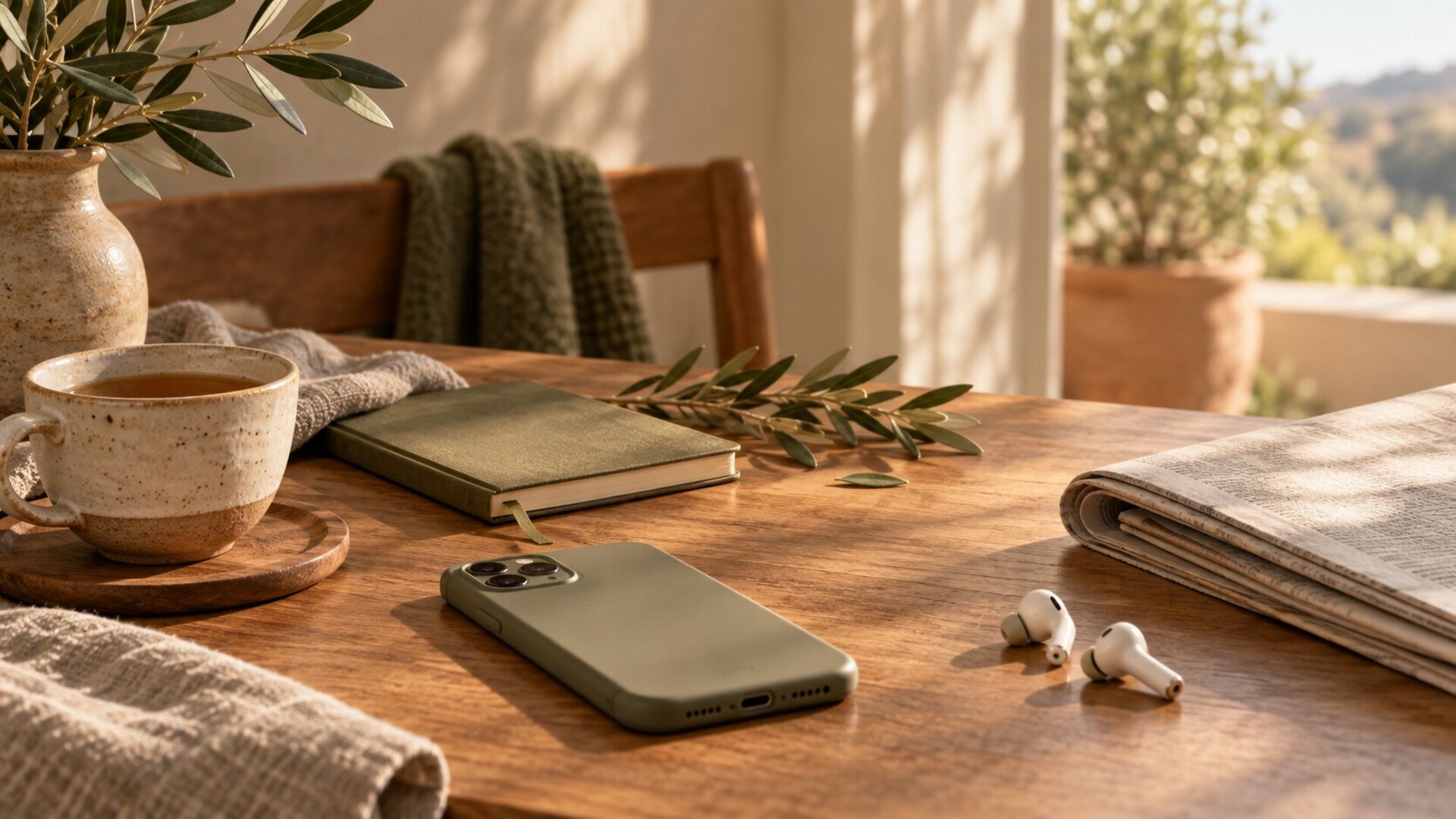
  • How to Disconnect from News Overload and Protect Your Mental Environment

    How to Disconnect from News Overload and Protect Your Mental Environment

    The 24/7 Breaking News Catastrophe Machine

    Think about what happens to your consciousness every single day: Your phone buzzes sixteen times an hour with red “BREAKING NEWS” banners:

    • A political scandal 4,000 miles away.
    • A tragic plane crash on another continent.
    • A terrifying forecast about global financial collapse.

    You scroll through apocalyptic commentary, read furious arguments in comment sections, and feel a heavy, suffocating cloud of existential dread settle over your chest. You tell yourself: “I need to stay informed! It’s my civic duty to know what’s happening!” The truth is painful: Consuming 24/7 breaking news does not make you informed.

    It makes you anxious, cynical, and paralyzed. Sociologist George Gerbner coined the term Mean World Syndrome: people who consume heavy amounts of mass media perceive the world as significantly more dangerous, hostile, and terrifying than it actually is. Modern news outlets are not non-profit public service charities.

    They are attention-monetization businesses whose algorithms are mathematically optimized to trigger primal fear and outrage. Reclaiming your mental sanity requires building a Mindful Media Diet.

    4 Protocols for a Healthy Low-Information Diet

    1. Silence All Breaking News Push Notifications

    Turn off every single news banner and alert on your smartphone. True local emergencies (tornadoes, floods) have public sirens and emergency broadcast systems. Everything else is commercial noise.

    2. Shift from ‘Breaking’ to ‘Deep Analysis’

    Daily breaking news is full of unverified rumors and hysteria.

    • Replace hourly news scrolling with one weekly high-quality print or digital magazine (like The Economist, The Atlantic, or a curated newsletter).
    • You will be 10x more informed and 90% less stressed.

    3. The ‘Circle of Control’ Filter (Stephen Covey)

    Before reading an article, ask: Can I take direct physical action on this information in the next 48 hours?

    • If yes (local election, city council zoning, neighborhood weather), pay attention.
    • If no (distant geopolitical drama), realize that stressing about it helps no one.

    4. Banish Evening News Consumption

    Never read news headlines after 8:00 PM to protect your restorative sleep.

    Real-World Case Study: The 30-Day News Detox Miracle

    A high school principal was experiencing chronic panic attacks, chest tightness, and insomnia from consuming 24/7 breaking news alerts on multiple news apps. He executed the Low-Information Diet:

    • He deleted all news apps and social media feeds from his smartphone.
    • He subscribed to a single high-quality weekly print news magazine that arrived on Saturdays.
    • He redirected his evening screen time into tending a backyard vegetable garden.

    Within two weeks, his resting heart rate dropped by 10 beats per minute, his panic attacks ceased entirely, and he felt deeply present with his students and family.

    3 Rules for a Mindful Media Diet

    1. Delete all breaking news push notifications from your phone.
    2. Replace daily sensationalist headlines with weekly deep-analysis digests.
    3. Focus your attention strictly on what is within your direct local sphere of action.

    The Sacred Peace of the Quiet Mind

    Your consciousness is a sacred garden. Protect it from sensationalist media noise, focus your energy on what you can control, and live with clarity and purpose.

    The Freedom of the Curated Mind

    You do not have a moral obligation to absorb the world’s collective tragedy every twenty minutes. Your first obligation is to show up with peace, presence, and practical kindness in your own home, neighborhood, and workplace.

    3 Rules for Media Sanity

    1. Delete news apps and disable all breaking news notifications.
    2. Read one weekly high-signal print digest to stay intelligently informed.
    3. Anchor your daily energy in local, actionable community contribution.

    Savoring the Serenity of the Quiet Soul

    Your mind is your most precious territory. Protect it from sensationalist news, focus on local action, and live in serene clarity.

    The Sacred Truth of Intentional Focus

    True wisdom is knowing what to ignore. Disconnect from media hysteria, invest in your community, and live in boundless peace.

    Practical Reflection on News Fasting

    Turn off all news push notifications on your phone right now. Spend your evening reading a great physical book or taking a walk in your neighborhood.

    3 Core Commitments to Media Sanity

    Summary of the Mindful News Fasting Blueprint

    • Recognize that 24/7 breaking news algorithms are designed to monetize primal panic.
    • Shift from reactive hourly alerts to high-signal weekly analytical print magazines.
    • Focus your mental energy on local community actions within your direct sphere of control.

    Savoring the Serenity of the Quiet Mind

    Your consciousness is a sacred sanctuary. Disconnect from media hysteria, invest in your local community, and live in serene clarity and purpose.

    3 Media Wellness Truths

    1. Sensationalist news algorithms are designed to trigger fear for profit.
    2. A weekly long-form digest keeps you informed without causing anxiety.
    3. Focusing on your direct sphere of control restores agency and peace.

    Reclaiming Mental Clarity

    Protect your attention with love. Turn off sensationalist news, invest in your local community, and walk forward in serene peace.

    The Timeless Wisdom of the Peaceful Mind

    True wisdom is found in quiet presence. Disconnect from media noise, nurture your loved ones, and live in boundless peace.

    Reclaiming Mental Sanctuary

    The Timeless Wisdom of the Calm Spirit

    The Sacred Sanctuary of the Quiet Mind

    Your consciousness is a sacred garden. Protect it from media hysteria, invest in your local community, and live in serene clarity and purpose.

    Summary of the Mindful Media Playbook

    • Turn off all breaking news push notifications on personal devices.
    • Replace reactive daily feeds with high-signal weekly analytical digests.
    • Channel your focus into actionable contributions within your local community.

    Frequently Asked Questions

    Why does consuming news trigger anxiety?

    Because news algorithms prioritize catastrophic, threat-based stories that continuously trigger the brain’s fight-or-flight amygdala response.

    What is ‘Mean World Syndrome’?

    A psychological phenomenon where heavy media consumers believe the world is far more dangerous and corrupt than objective statistics show.

    How can I stay informed without reading the news daily?

    Read weekly or monthly long-form analytical digests that summarize verified events rather than reacting to hourly breaking rumors.

    What is a ‘Low-Information Diet’?

    A deliberate lifestyle choice to consume only high-signal, actionable information while cutting out sensationalist media noise.

    Is it irresponsible to stop watching the news?

    No. Replacing passive news consumption with active local community volunteering makes a far greater positive impact on the world.

    How does news consumption affect physical health?

    Chronic news exposure elevates systemic inflammation, spikes resting blood pressure, and causes insomnia.

    What should you do when friends or coworkers bring up scary news?

    Acknowledge neutrally and redirect: ‘There is so much happening in the world. How are things with your family?’

    What is the single best change to make today?

    Turn off all news app notifications on your smartphone.
  • Mindful Gift Giving: Meaningful Alternatives to Clutter-Inducing Presents

    Mindful Gift Giving: Meaningful Alternatives to Clutter-Inducing Presents

    The Holiday Packaging Nightmare

    Look at what happens on Christmas morning or birthdays across the world: Living rooms are buried in mounds of ripped wrapping paper, plastic packaging, and cardboard boxes. Children play with a $100 plastic toy for ten minutes before abandoning it to play with the cardboard box. Adults receive novelty socks, scented lotions they are allergic to, and kitchen gadgets they will never use, smiling awkwardly while thinking: Where on earth am I going to store this?

    Studies in consumer psychology show that material possessions provide a temporary spike in dopamine that fades within 48 hours (Hedonic Adaptation). Worse, physical gifts impose a Storage and Maintenance Tax on the recipient, who often feels guilty about donating an unwanted item. Mindful Gift Giving is the elegant art of giving Presence, Experiences, and Consumables that enrich someone’s life without cluttering their home.

    4 Categories of Clutter-Free Gifts

    1. Experiential Memories (The Gift of Adventure)

    Research by Dr. Thomas Gilovich at Cornell University proves that experiential purchases provide longer-lasting happiness than material goods because they become part of our identity and memory.

    • Annual National Parks Pass or local museum membership.
    • Tickets to a concert, comedy show, or theater production.
    • A cooking, pottery, or sourdough baking workshop.

    2. Artisanal Consumables (The Luxury Savor)

    Consumable gifts provide exquisite pleasure and then gracefully disappear:

    • A bottle of premium single-estate Italian olive oil.
    • Locally roasted specialty coffee beans or artisanal loose-leaf tea.
    • High-end bean-to-bar dark chocolates or aged balsamic vinegar.

    3. The Gift of Time and Service (The Ultimate Relief)

    • A voucher to babysit their kids for a free Saturday date night.
    • A professional house cleaning session or mobile car detailing service.

    4. Digital Learning & Culture

    • An annual subscription to an audiobook platform (Audible), language app (Duolingo), or MasterClass.

    Real-World Case Study: The Christmas Experience Revolution

    A large extended family was exhausted by the annual Christmas gift exchange, spending $2,000 on plastic gadgets, duplicate toys, and useless knick-knacks that ended up in garage sales. They voted to adopt Mindful Gift Giving:

    • For the Kids: Grandparents gifted an annual family zoo membership and swimming lessons.
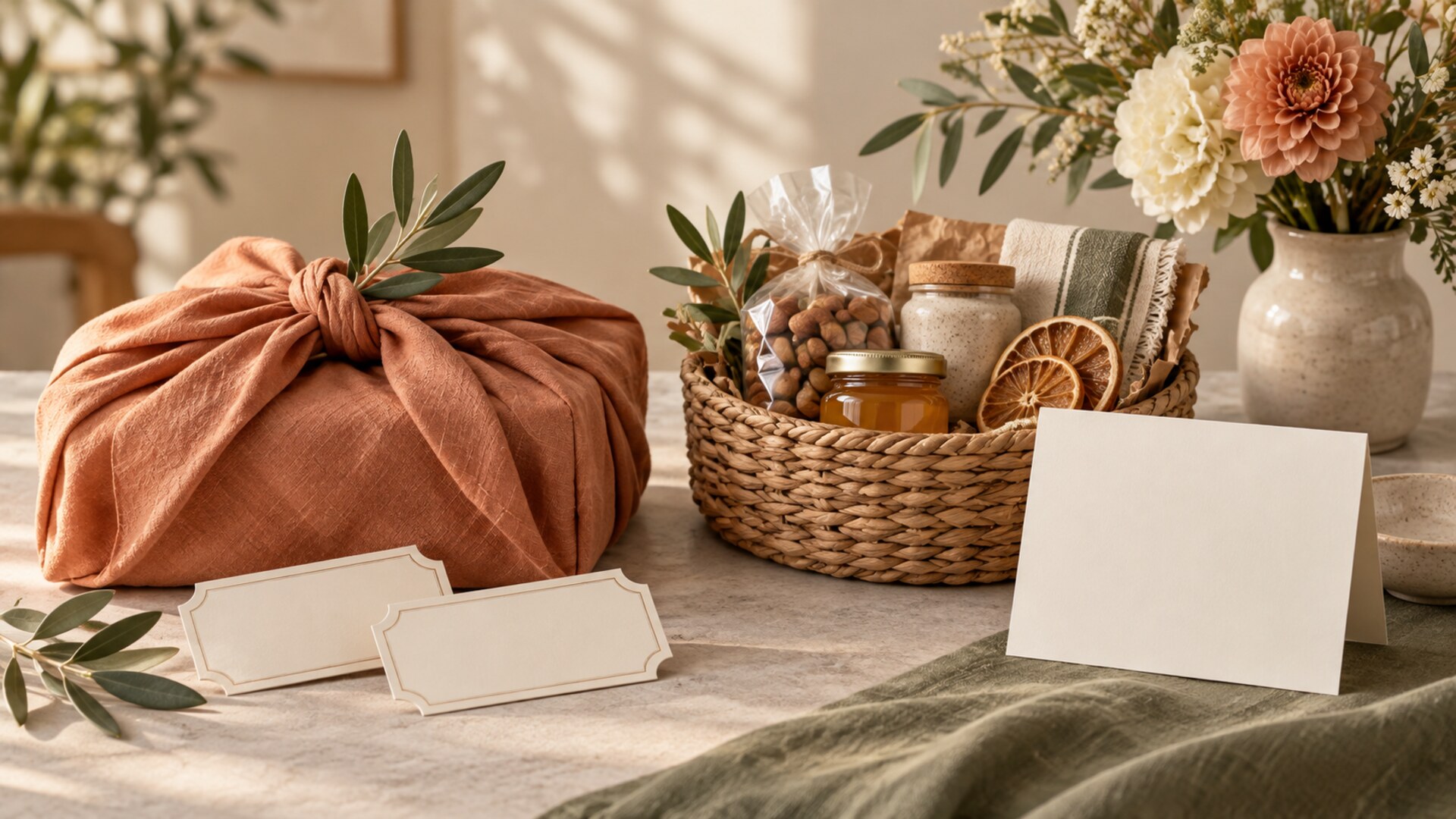
    • For the Adults: Siblings exchanged gourmet local food baskets (artisanal olive oils, coffees, and chocolates).
    • For the Family: They pooled funds to rent a cozy winter cabin for a 2-day sledding and board game getaway.

    The holiday clutter vanished, stress plummeted, and the family created cherished memories that will last for generations.

    3 Rules for Clutter-Free Gifting

    1. Prioritize shared experiential memories over disposable material possessions.
    2. Choose high-end artisanal consumables that provide exquisite pleasure and disappear.
    3. Gift practical time and service vouchers (babysitting, car detailing) to relieve daily stress.

    The Boundless Joy of Mindful Giving

    The greatest gifts leave footprints on the heart, not clutter on the floor. Give memories, share experiences, and celebrate the rich beauty of human connection.

    The Enduring Magic of Experiential Gifts

    Possessions clutter shelves, but memories live in the heart forever. Give experiences, share delicious meals, and celebrate human connection with mindful generosity.

    3 Rules for Clutter-Free Giving

    1. Give experiential tickets and memberships that build lasting memories.
    2. Choose high-end artisanal consumables that provide joy and disappear.
    3. Offer practical service vouchers (babysitting, cleaning) that relieve daily stress.

    Savoring the Richness of Mindful Giving

    The best gifts enrich the soul. Share memories, give with love, and celebrate the extraordinary beauty of human connection.

    The Timeless Joy of Shared Memories

    True wealth is found in shared laughter and connection. Give memories, share experiences, and cherish the people you love.

    Practical Reflection on Mindful Giving

    Before buying gifts for your next celebration, consider giving an experience or a delicious consumable treat. Give memories that touch the heart.

    3 Core Commitments to Mindful Gifting

    Summary of the Mindful Gift Giving Blueprint

    • Escape the consumer packaging trap by focusing on experiential and consumable gifts.
    • Give tickets, memberships, and workshops that build lifelong cherished memories.
    • Offer practical service vouchers (babysitting, house cleaning) to relieve domestic burdens.

    The Timeless Magic of Meaningful Giving

    The best gifts leave memories in the heart. Share experiences, give with love, and celebrate the extraordinary beauty of human connection.

    3 Mindful Gifting Truths

    1. Shared experiences create lasting happiness without domestic clutter.
    2. Gourmet consumables provide delight and disappear gracefully.
    3. Practical service gifts offer priceless relief to busy loved ones.

    Reclaiming the Magic of Thoughtful Giving

    Give memories, share love, and celebrate the beautiful connections that make life rich.

    The Endless Joy of Experiential Love

    The best things in life are not things. Share adventures, build memories, and celebrate the people who matter most.

    Summary of the Mindful Gifting Playbook

    The Timeless Joy of Mindful Connection

    The greatest gifts are the memories we share. Give experiences, share love, and celebrate the rich beauty of human companionship.

    Summary of the Meaningful Gifting Playbook

    Frequently Asked Questions

    Why are experiential gifts better than material gifts?

    Because experiences foster human connection, create lasting memories, and do not trigger hedonic adaptation or physical clutter.

    What are ‘Consumable Gifts’?

    Items that can be eaten, drank, or used up completely (like gourmet food, coffee, candles, or bath salts) leaving no permanent physical clutter.

    How do I ask family members for clutter-free gifts for my children politely?

    Communicate with warmth: ‘Our kids have plenty of toys, so this year we are focusing on experiences like zoo passes or swimming lessons!’

    What are good last-minute clutter-free gifts?

    Digital gift cards for local restaurants, audiobooks, movie theater passes, and national park passes.

    How can you give a service gift without feeling cheap?

    Package it beautifully with a handwritten card and a small consumable treat (e.g., a jar of homemade jam with a ‘Free Babysitting’ voucher).

    What are the best clutter-free gifts for elderly parents who have everything?

    Digitizing old family photo albums, booking shared family lunches, or gifting monthly flower subscriptions.

    Is it tacky to give gift cards?

    Not if they are tailored to a specific passion (like their favorite independent bookstore or favorite local coffee shop).

    What is the single best gift idea for a couple this year?

    A gift certificate for a nice local dinner paired with a free night of babysitting.

  • Designing a Calm Morning Coffee Ritual to Anchor Your Mental State

    Designing a Calm Morning Coffee Ritual to Anchor Your Mental State

    The Tragic Morning Gulp

    Look at how millions of people consume coffee every single morning: You slap an automated plastic pod into a machine while scrolling through stressful work emails with one hand and arguing with your kids with the other. You pour scalding coffee into an insulated travel mug, sprint out the front door, and gulp it down at red lights while your heart rate spikes in traffic. Coffee is no longer a pleasure; it has become an industrial adrenaline crutch to shock our exhausted nervous systems into temporary consciousness.

    When you rush through your morning coffee, you signal to your brain: The emergency has already begun. Transforming your morning brew into a Mindful Coffee Ritual requires zero extra hours; it simply requires 100% sensory presence.

    5 Sensory Steps of the Mindful Coffee Ritual

    1. Acoustic Stillness

    • Listen to the rhythmic crunch of whole beans grinding in the burr grinder.
    • Listen to the bubbling whisper of water heating in the gooseneck kettle.

    2. Olfactory Awakening

    • Bring the freshly ground coffee beans to your nose and inhale deeply.
    • The rich aroma of cocoa, toasted nuts, and fruit stimulates the brain’s reward pathways.

    3. The Visual Bloom

    • Pour hot water slowly in gentle, expanding concentric circles over the coffee bed.
    • Watch the coffee “bloom” as carbon dioxide escapes and rich crema forms on the surface.

    4. Tactile Warmth

    • Pour the coffee into your favorite handmade ceramic mug.
    • Wrap both hands around the warm clay, feeling the soothing thermal comfort radiating into your palms.

    5. The Screen-Free Savor

    • Sit in a comfortable chair near a window with zero smartphones or screens.
    • Take small, slow sips, noticing the acidity, sweetness, and warmth.
    • Savor this five-minute sanctuary before opening your devices.

    Real-World Case Study: The Mindful Morning Coffee Transformation

    An emergency room doctor was starting every morning in pure adrenaline panic, gulping down automated machine coffee while scrolling medical journals and hospital emails. He arrived at work feeling wired, anxious, and irritable. He established the 10-Minute Mindful Coffee Ritual:

    • He bought a manual ceramic pour-over cone and fresh whole coffee beans.
    • He spent 5 minutes grinding beans by hand, smelling the rich roasted aroma, and pouring hot water in slow concentric circles.
    • He sat on his balcony for 5 minutes drinking his coffee in total silence without screens.

    This small daily mindfulness anchor dropped his morning blood pressure and gave him the calm emotional resilience needed to save lives in the ER.

    3 Rules for a Mindful Coffee Ritual

    1. Engage all five senses in the preparation and brewing process.
    2. Keep the entire coffee experience 100% free of smartphones, news, and screens.
    3. Savor the warmth of the ceramic mug as a grounding physical anchor.

    The Sacred Stillness of the Morning Brew

    When you make coffee a mindful meditation, your day begins in peace. Savor the warmth, breathe the rich aroma, and anchor your soul in the beauty of the present.

    Savoring the Slow Morning

    When you step away from the digital rush and hand-brew your morning coffee or tea, you reclaim your mind from frantic urgency. Let the warm aroma, the tactile comfort of the ceramic mug, and the quiet sunlight fill your senses. Begin every day grounded in peace, presence, and simple joy.

    3 Rules for Mindful Brewing

    1. Engage all five senses in the tactile preparation of coffee or tea.
    2. Protect your morning cup as a sacred screen-free sanctuary of presence.
    3. Savor the warmth of the mug as a physical reminder to stay grounded.

    Savoring the Sacred Morning Brew

    When you make coffee a mindful meditation, your day begins in peace. Savor the warmth, breathe deeply, and enjoy the beauty of the present.

    The Boundless Joy of the Mindful Morning

    When you begin your day in calm sensory awareness, stress loses its grip. Savor your coffee, embrace the quiet morning, and walk in peace.

    Practical Reflection on the Morning Brew

    Tomorrow morning, slow down. Smell the ground coffee, watch the water bloom, and savor every sip in screen-free stillness.

    3 Core Commitments to Mindful Coffee

    Summary of the Mindful Coffee Ritual Blueprint

    • Transform automatic caffeine fixes into grounding sensory mindfulness meditations.
    • Engage sight, sound, smell, touch, and taste during manual brewing steps.
    • Protect your morning cup as an absolute screen-free sanctuary of presence.

    The Boundless Peace of the Morning Sanctuary

    Begin your day in presence. Savor the warm brew, breathe deeply, and step into the world anchored in unshakeable calm and gratitude.

    Savoring the Sacred Stillness of the Coffee Brew

    When you make coffee a mindful meditation, your day begins in peace. Savor the warm brew, breathe deeply, and step into the world anchored in unshakeable calm and gratitude.

    3 Mindful Coffee Truths

    1. Hand-brewing coffee engages all five senses in present-moment mindfulness.
    2. Protecting your morning cup from screens prevents early cortisol spikes.
    3. The tactile warmth of the ceramic mug acts as a grounding physical anchor.

    Reclaiming the Peace of the Morning Ritual

    Slow down and savor the brew. When you start your day in sensory stillness, you carry peace into every moment.

    The Sacred Art of the Slow Brew

    Let every sip be a reminder to slow down, breathe deeply, and savor the simple beauty of being alive right now.

    The Boundless Stillness of the Morning Brew

    Begin your day in presence. Savor the warm coffee, breathe deeply, and step into the world anchored in unshakeable peace and gratitude.

    Summary of the Mindful Coffee Playbook

    Frequently Asked Questions

    What is the difference between a coffee habit and a coffee ritual?

    A habit is an automated, mindless behavior done on autopilot; a ritual is an intentional, sensory practice performed with full awareness and reverence.

    Why should you avoid looking at your phone while drinking morning coffee?

    Because checking feeds floods your brain with dopamine and stress hormones before your nervous system has grounded itself.

    What is the ‘Bloom’ in pour-over coffee brewing?

    The release of trapped carbon dioxide gas when hot water first touches freshly ground coffee, causing the grounds to swell and release rich aromas.

    How does a sensory coffee ritual reduce morning anxiety?

    By anchoring your attention in physical sensations (warmth, scent, taste), down-regulating cortisol and bringing cognitive focus to the present.

    Can tea drinkers use this exact same ritual?

    Yes. The sensory ritual applies identically to loose-leaf tea, matcha, or herbal infusions.

    How long does a mindful coffee ritual take?

    Approximately 7 to 10 minutes from grinding beans to finishing your first mindful cup.

    What brewing method is best for a morning ritual?

    Pour-over (V60 or Chemex) or French Press, as they require manual tactile engagement with water and grounds.

    What is the single best rule to start tomorrow morning?

    Leave your smartphone in another room until you finish your first cup of coffee.

  • Creating a Gentle Evening Wind-Down Routine for Overstimulated Minds

    Creating a Gentle Evening Wind-Down Routine for Overstimulated Minds

    Creating a Gentle Evening Wind-Down Routine for Overstimulated Minds

    The Modern Nighttime Tragedy

    It is 10:45 PM. You are physically exhausted from an intense day of meetings, decisions, and chores. You crawl into bed, pull the duvet up, and grab your smartphone “just to check one quick thing.” One hour later, your eyes are burning from blue light, your heart is racing from a distressing news headline, and your mind is spinning with worries about next year’s budget.

    When you finally put the phone down, sleep refuses to come. You toss and turn, watching the digital clock advance: 1:15 AM, 2:30 AM, 3:45 AM. Our ancestors did not suffer from insomnia because nightfall brought natural darkness, crackling fires, and gradual stillness.

    Today, we blast our retinas with midday-spectrum blue light until the exact second we shut our eyes, expecting our biological sleep engine to switch off like a light bulb. Your nervous system is not an on/off switch; it is a landing airplane that requires a smooth runway.

    The Biology of Evening Transitions

    To fall into deep, restorative slow-wave sleep, two biological events must occur:

    1. Melatonin Production: The pineal gland releases melatonin only when photoreceptors in your eyes detect darkness and amber-spectrum light.
    2. Core Body Temperature Drop: Your internal temperature must drop by roughly 2 to 3 degrees Fahrenheit.

    The 4-Stage Evening Wind-Down Blueprint

    Stage 1 (8:00 PM): The Digital Sunset & Amber Lighting

    • Turn off all overhead white LED lighting. Turn on soft, low-placed amber lamps or light candles.
    • Put all smartphones and laptops on chargers located outside the bedroom.

    Stage 2 (8:30 PM): The 5-Minute Environment Reset

    • Spend five minutes clearing the kitchen sink, wiping the counter, and putting away stray shoes.
    • Waking up to a tidy living space prevents morning cortisol spikes.

    Stage 3 (9:00 PM): The ‘Brain Dump’ Journaling Protocol

    If racing thoughts keep you awake, write them down on physical paper:

    • Open a notebook and list everything worrying you or tasks for tomorrow.
    • Research from Baylor University found that writing a 5-minute to-do list before bed helps people fall asleep 37% faster because it offloads cognitive burden.

    Stage 4 (9:30 PM): Somatic Relaxation

    • Take a warm shower or bath (the rapid cooling of skin afterward drops core body temperature, triggering sleepiness).
    • Read a calming physical book or listen to soft ambient sounds until your eyelids feel heavy.

    Real-World Case Study: Overcoming 5 Years of Severe Insomnia

    A marketing executive suffered chronic insomnia, taking over two hours to fall asleep each night while worrying about client deliverables. She implemented the 4-Stage Evening Wind-Down Blueprint:

    • At 8:30 PM, she switched off all bright ceiling lights and turned on warm amber floor lamps.
    • At 9:00 PM, she completed a 5-minute physical Brain Dump in a bedside notebook.
    • At 9:30 PM, she took a warm Epsom salt bath and read historical fiction under a dim reading light.

    Within two weeks, her sleep latency dropped from 120 minutes to under 15 minutes, and her deep sleep scores increased by 45%.

    3 Commitments to Restorative Nighttime Routines

    1. Protect your eyes from blue-spectrum screen light 60 minutes before bed.
    2. Offload mental loops onto paper to quiet your racing prefrontal cortex.
    3. Treat your bedroom as a cool, dark, sacred sanctuary of restorative healing.

    The Sacred Blessing of Restorative Sleep

    Your evening routine is your love letter to tomorrow’s self. Dim the lights, release the day’s worries onto paper, and surrender to the deep, healing stillness of night.

    The Biology of Evening Parasympathetic Activation

    Falling asleep is not an intellectual decision; it is an autonomic biological transition. During the workday, your body operates in the Sympathetic Nervous System (fight, flight, and high performance). To enter deep sleep, you must activate the Parasympathetic Nervous System (rest, digest, and restore):

    • Slow 4-7-8 Breathing: Inhale for 4 seconds, hold for 7 seconds, exhale for 8 seconds. This physically slows your heart rate.
    • Somatic Temperature Drop: A warm shower or bath dilates peripheral blood vessels, allowing heat to escape your core and triggering sleepiness.

    3 Core Commitments to Restorative Sleep

    1. Dim all overhead lights at 8:30 PM to stimulate natural melatonin release.
    2. Complete a 5-minute Brain Dump to offload anxious thoughts onto paper.
    3. Keep your bedroom cool (65°F to 68°F), pitch black, and completely device-free.

    The Sanctuary of Restorative Nights

    Your evening routine is a sacred bridge from the demands of the day to the healing stillness of night. Nurture your sleep, honor your rest, and wake up refreshed.

    Practical Reflection on Evening Calm

    Take 5 minutes tonight to dim the lights and complete a brain dump. Give yourself the gift of deep, restorative sleep.

    Practical Reflection on Restorative Evening Rituals

    Prepare your sleep sanctuary tonight. Dim the overhead lights, complete a 5-minute brain dump, and surrender to the healing power of deep, natural rest.

    3 Core Commitments to Nighttime Peace

    1. Turn off all blue-light screens 60 minutes before bedtime.
    2. Offload mental loops onto paper to quiet your racing prefrontal cortex.
    3. Keep your bedroom cool, dark, and completely device-free.

    Summary of the Gentle Evening Wind-Down Blueprint

    • Activate your parasympathetic nervous system through dim amber lighting and cool room temperatures.
    • Offload mental tasks onto paper with a 5-minute pre-bed Brain Dump.
    • Keep your bedroom a sacred, device-free sanctuary of deep restorative sleep.

    Frequently Asked Questions

    Why does blue light before bed destroy sleep quality?

    Blue light suppresses melatonin secretion by mimicking daylight, tricking the brain into believing it is midday.

    What is a ‘Brain Dump’ and why does it help with insomnia?

    Writing down unfinished tasks and anxieties on paper before bed offloads cognitive burden, stopping repetitive mental loops.

    How long should an evening wind-down routine last?

    Between 45 and 90 minutes of gradual dimming and relaxing activities is ideal for nervous system down-regulation.

    Why does taking a warm bath help you fall asleep?

    Because stepping out of warm water causes blood vessels to dilate and rapidly drops core body temperature, signaling the brain to sleep.

    What should I do if I wake up at 3:00 AM with racing thoughts?

    Do not check your phone. Leave the bed, sit in a dim chair, read a book or practice slow breathing until sleepy, then return to bed.

    What is the ideal bedroom temperature for deep sleep?

    Sleep scientists recommend a cool room temperature around 65°F to 68°F (18°C to 20°C).

    How does alcohol impact sleep quality?

    While alcohol acts as a sedative, it fragments REM sleep, causes micro-awakenings, and elevates resting heart rate throughout the night.

    What is the single best change to make tonight?

    Move your phone charger to the kitchen and turn off bright overhead ceiling lights at 8:30 PM.